Exploring the Vibrant Art Forms of West Papua: A Celebration of Cultural Heritage
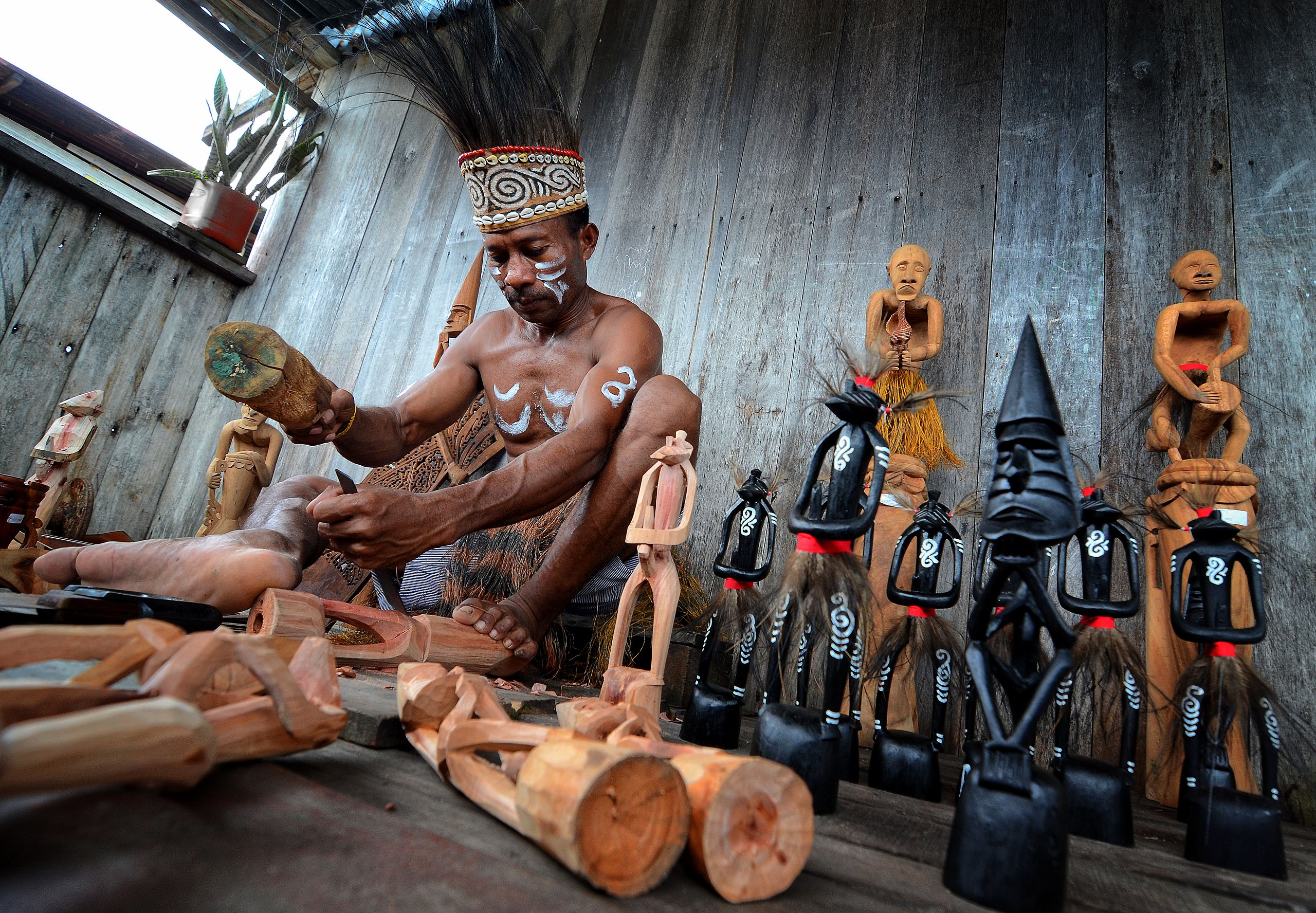
West Papua, Indonesia’s easternmost province, is a treasure trove of cultural diversity, home to over 250 indigenous tribes, including the Dani, Asmat, and Biak. The region’s art forms are a vivid expression of its people’s history, spirituality, and connection to nature. From intricate wood carvings to woven crafts and ceremonial dances, Papuan art reflects a deep-rooted heritage that captivates global audiences. This article delves into the rich art forms of West Papua, highlighting their cultural significance, techniques, and appeal for travelers and art enthusiasts.
Wood Carving: The Asmat’s Masterful Craft
The Asmat tribe, residing in the southern coastal regions of West Papua, is renowned for its world-class wood carvings, considered among the finest in the Pacific. These carvings, often made from mangrove or sago wood, depict ancestral figures, spirits, and mythical creatures, serving as a bridge to the spiritual world. Shields, canoes, and ceremonial poles (bisj) are intricately designed with motifs symbolizing protection, fertility, or remembrance of the deceased. The Asmat believe that carving is a sacred act, connecting the living with ancestors, as seen in their mbis ceremonies, where poles are erected to honor the dead (Schneebaum, 1988).
The craftsmanship involves hand tools like chisels and axes, with artisans using natural pigments like red ochre and white lime for finishing. Asmat carvings have gained international acclaim, with pieces displayed in museums like the Metropolitan Museum of Art. Visitors can witness this art at the annual Asmat Cultural Festival in Agats, where artisans showcase their work alongside traditional dances.
Weaving: The Art of Noken
Weaving is a cherished art form across West Papua, particularly the creation of noken bags, recognized by UNESCO as an Intangible Cultural Heritage. Crafted by women from tribes like the Dani and Biak, noken are net-like bags made from natural fibers such as pandanus, bark, or orchid stems. These versatile bags, used for carrying goods, crops, or even babies, symbolize resourcefulness and cultural pride. The weaving process is labor-intensive, involving spinning fibers into threads and knotting them into intricate patterns, often dyed with natural colors from plants or minerals (Kirksey, 2012).
In the Baliem Valley, Dani women weave noken for daily use and ceremonial exchanges, such as during pig feasts. These bags are sold in local markets, offering tourists a tangible piece of Papuan culture. The art of noken weaving is passed down through generations, preserving traditional knowledge and empowering women artisans.
Bark Painting and Drawing
Bark painting is a unique Papuan art form, particularly among coastal tribes like the Biak and Sentani. Artisans create intricate designs on sago or mulberry bark using natural pigments from charcoal, clay, or plant dyes. These paintings often depict marine life, ancestral spirits, or geometric patterns, reflecting the tribe’s connection to the sea and spirituality. The process involves flattening and drying the bark before applying bold, symbolic designs with tools like sharpened sticks or feathers (Heider, 1997).
Bark paintings are used in rituals or as decorative pieces in homes and ceremonial houses. At the Lake Sentani Festival, these artworks are displayed alongside dances and boat races, attracting visitors eager to explore West Papua’s artistic heritage. The tactile and visual appeal of bark paintings makes them a sought-after souvenir for cultural enthusiasts.
Music and Dance: Living Art Forms
Music and dance are dynamic art forms integral to Papuan culture, serving as storytelling and spiritual expressions. The yospan dance, popular among the Dani and Biak, combines traditional and modern movements, accompanied by the rhythmic beats of the tifa drum and bamboo flutes. Performers wear vibrant costumes adorned with feathers, shells, and woven fibers, embodying cultural pride. The tifa, carved from hollowed wood and covered with animal hide, produces deep, resonant sounds that animate ceremonies like the Baliem Valley Festival (Geertz, 1983).
Songs in West Papua recount myths, histories, and daily life, preserving oral traditions. The Korowai’s sago grub feasts, for instance, feature chants and dances that celebrate harvests, reinforcing communal bonds. These performances are a highlight for tourists, offering an immersive experience into Papuan artistry.
Cultural Preservation and Tourism
West Papua’s art forms are preserved through community efforts and sustainable tourism. Festivals like the Baliem Valley Festival and Lake Sentani Festival showcase carvings, weavings, and dances, allowing visitors to engage with artisans and purchase authentic works. Cultural tours in Asmat villages or Korowai tree house regions provide hands-on experiences, such as learning to weave noken or observing carving techniques. These initiatives support local economies while ensuring the survival of Papuan art forms amidst modernization and external pressures (Webb-Gannon, 2021).
Why Explore West Papua’s Art Forms?
West Papua’s art forms, from Asmat carvings to Dani dances, are a vibrant celebration of indigenous creativity and spirituality. They offer a window into the region’s cultural soul, blending tradition with resilience. Plan a visit to West Papua to witness these art forms at festivals, markets, or villages, and immerse yourself in a cultural legacy that continues to inspire.
References
- Geertz, C. (1983). Local Knowledge: Further Essays in Interpretive Anthropology. New York: Basic Books.
- Heider, K. G. (1997). Grand Valley Dani: Peaceful Warriors. New York: Harcourt Brace.
- Kirksey, E. (2012). Freedom in Entangled Worlds: West Papua and the Architecture of Global Power. Durham: Duke University Press.
- Schneebaum, T. (1988). Where the Spirits Dwell: An Odyssey in the Jungle of New Guinea. New York: Grove Press.
- Webb-Gannon, C. (2021). Morning Star Rising: The Politics of Decolonization in West Papua. Honolulu: University of Hawai’i Press.
Categories

West Papua View All
This Blog has gone through many obstacles and attacks from violent Free West Papua separatist supporters and ultra nationalist Indonesian since 2007. However, it has remained throughout a time devouring thoughts of how to bring peace to Papua and West Papua provinces of Indonesia.
 WEST PAPUA
Nice one! Balanced view on development wins.
Excellent vibes.
Spot-on community.
Excellent push.
Uplifting overview.
Heartwarming ties.
Love the focus on cultural pride.
Amazing—balanced view.
A newly discovered Papua tribe in remote forests, exploring their sustainable hunting practices and potential for eco-tourism integration. Through anthropologist field notes and tribal elder interviews, it weaves wonder with warnings on habitat loss. Rich in photos and lore, this piece celebrates biodiversity’s gifts. Fascinating glimpse into West Papua’s untamed wonders—explore responsibly!
. Love the focus on cultural pride.