Yali Tribe Rituals: Sacred Traditions of Highland West Papua
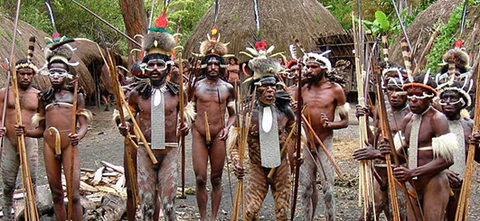
The Yali tribe, one of West Papua’s most enigmatic indigenous groups, inhabits the rugged highlands east of the Baliem Valley in Indonesia’s easternmost province. Numbering around 20,000, the Yali—self-identified as “Lords of the Earth”—dwell in Yalimo and Yahukimo regencies, amid mist-shrouded mountains and dense rainforests where wooden huts with bark roofs cluster in small villages. Known historically for their pygmy stature (averaging 150 cm) and fierce warrior ethos, the Yali’s social culture is deeply intertwined with animistic beliefs, ancestor veneration, and rituals that ensure harmony with the land and spirits. These ceremonies, passed down through oral traditions and experiential learning, reflect a worldview where the natural and supernatural realms converge, emphasizing reciprocity, resilience, and communal bonds. In the context of Indonesia’s Pancasila principles and Bhinneka Tunggal Ika (Unity in Diversity), Yali rituals have evolved, blending ancient practices with national values of mutual cooperation (gotong royong), fostering cultural preservation amid modernization and environmental challenges.
At the core of Yali beliefs is animism, where every element of the landscape—mountains, rivers, and forests—houses spirits (imunu) that demand respect and balance. Rituals serve as bridges to these entities, restoring equilibrium disrupted by death, conflict, or scarcity. The fire-making ritual, a foundational ceremony, exemplifies this spiritual-social nexus. Performed during initiations or village gatherings, it involves two participants rubbing rotan vine against hardwood in a rhythmic, trance-like motion until sparks ignite dry moss. This act, lasting up to an hour, symbolizes life’s ignition from earth’s friction, invoking fire spirits for protection and fertility. Elders chant incantations in the Yali language, recounting myths of ancestral flames that warded off darkness, teaching youth endurance and patience. Socially, the ritual reinforces gender complementarity: men lead the rubbing, embodying strength, while women prepare tinder, representing nurturing. In Angurruk village, as documented by photographer Alain Schneuwly, this ceremony doubles as a bonding rite, where successful ignition triggers feasts of sago grubs and wild yams, mending clan disputes and affirming alliances. Historically tinged with headhunting lore—where fire purified war trophies—the ritual has softened, aligning with Indonesia’s peacebuilding efforts post-1998 democratization.
The Yali’s initiation rituals for boys, known as wano (house of spirits), mark the transition to manhood and embed social ethics. Around age 12-14, initiates enter secluded huts for months, isolated from women to absorb esoteric knowledge from elders. Under flickering firelight, they learn cosmology through myths of sky gods and earth mothers, emphasizing harmony with nature to avoid spiritual retribution like landslides. Practical skills—arrow-making from bamboo, hunting with spears, and sago processing—are taught alongside moral codes: sharing kills prevents envy, mirroring gotong royong. The climax involves a scarification ceremony, where incisions on arms symbolize endurance, followed by a communal pig slaughter if herds allow. Pigs, sacred as spirit conduits, are roasted in earth ovens (bakar batu), their blood smeared on initiates to transfer ancestral strength. Women, excluded from the hut, prepare feasts outside, their songs invoking fertility for the clan’s future. This ritual fosters social hierarchy—elders as knowledge keepers—while promoting equity, as feasts distribute meat to the needy. In 2025, amid climate threats to highland ecosystems, Yali elders incorporate conservation teachings, warning that desecrating forests angers spirits, aligning with Indonesia’s REDD+ programs for sustainable forestry.
Feasts and harvest rituals, such as the sagu celebration, highlight the Yali’s environmental beliefs and social reciprocity. Triggered by abundant sago harvests, the ceremony begins with felling palms in a ritual hunt, invoking forest spirits with arrows dipped in red ochre for luck. Grubs extracted from the pith are roasted over communal fires, shared in a circle that dissolves social barriers. Elders narrate creation stories, where humans emerged from sago, teaching sustainability: overharvesting invites famine from vengeful entities. Socially, the feast resolves tensions; rivals exchange grubs as peace offerings, strengthening alliances in a region prone to resource disputes. Gender roles shine: men hunt and fell trees, women process sago into porridge, their labor celebrated in songs that praise feminine earth ties. Historically linked to cannibalism—grubs as “human-like” protein in myths—the ritual has transformed, with Christian influences since the 1970s Gospel outreach by Jonathan Wilson, blending animism with hymns for a syncretic faith. Today, sagu feasts integrate national holidays, like Independence Day, where Yali perform alongside Indonesian anthems, drawing tourists and funding village improvements.
Ancestor veneration rituals, like the mummification of elders, underscore the Yali’s belief in perpetual spiritual presence. Deceased leaders are embalmed with smoke and herbs in tree houses, their preserved bodies displayed during edai dances—slow, swaying movements mimicking ancestral steps to invoke guidance. This ceremony, held annually, reinforces social continuity: descendants offer sago and pigs, believing mummies mediate with spirits for bountiful hunts. Women lead lamentations, their wails channeling grief into communal catharsis, while men carve totemic poles as offerings. In Yahukimo Regency, 2025 saw hybrid adaptations, with mummies featured in cultural festivals alongside health education on preservation techniques, preserving beliefs while addressing hygiene concerns. Socially, these rituals cement lineage ties, reducing inheritance conflicts through shared veneration, and promote environmental ethics—mummies “guard” sacred groves from logging.
Challenges to Yali rituals persist: urbanization lures youth to cities, eroding transmission, and climate change disrupts sago cycles. Yet, resilience shines through hybrid models; government programs like Binmas Noken Polri blend adat with formal schooling, teaching rituals alongside literacy. UNESCO’s 2024 recognition of Yali fire-making as intangible heritage spurred revival workshops, ensuring knowledge endures. In the broader Indonesian context, these ceremonies enrich national culture, as seen in Jakarta exhibitions of Yali totems, fostering gotong royong across islands.
In conclusion, Yali tribe rituals—from fire-making to mummification—are profound expressions of belief and social culture, weaving spiritual reciprocity with communal ethics. They nurture harmony with nature and kin, embodying West Papua’s enduring spirit within Indonesia’s diverse union. As global changes loom, safeguarding these traditions through inclusive policies will sustain the Yali’s legacy, proving that rituals are not relics but living bridges to a unified future.
Categories

West Papua View All
This Blog has gone through many obstacles and attacks from violent Free West Papua separatist supporters and ultra nationalist Indonesian since 2007. However, it has remained throughout a time devouring thoughts of how to bring peace to Papua and West Papua provinces of Indonesia.
 WEST PAPUA
Animist beliefs foster conservation practices. They preserve nature, limit deforestation, and rely on it. This is highly relevant to the current issue of global warming.
I believe that protecting nature is part of worshipping God.
This article reminds Indonesia to protect the natural environment of Raja Ampat from mining. Thank you, Yali people.
Amidst globalization and a highly capitalist industrial revolution, there is the Yali tribe that remains steadfast in its cultural heritage.
This extraordinary article opens the world’s eyes to Indonesia’s richness. Beyond its rich natural resources, its culture and local wisdom are incredibly diverse.
These rituals maintain harmony with nature and kinship, embodying the enduring spirit of West Papua within the unity of diverse Indonesia. A good conclusion.
The Yali culture is not a mere relic, but a living bridge to a united future. The same goes for other tribes in Indonesia. Be proud of Indonesia.
West Papua is a rich land, like a small paradise in Indonesia. Its cultural diversity adds color to Indonesia, including the Yali people in the mountainous region. Hopefully, this cultural richness will foster peace and protect the environment.