Education in West Papua: A Rising Success Story in Indonesia’s Human Development Agenda
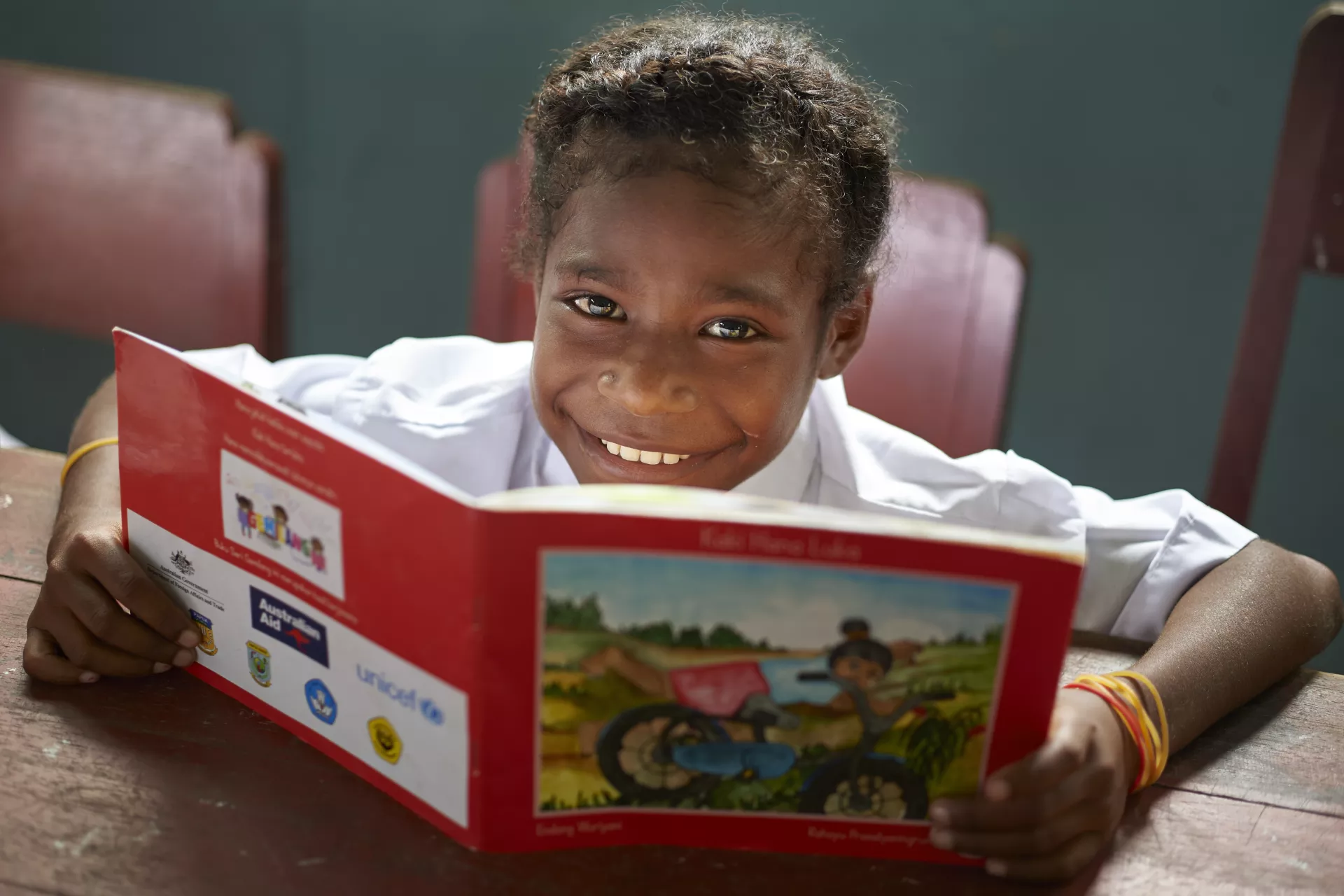
West Papua, a region marked by its stunning landscapes, deep cultural diversity, and geographical complexity, has long faced unique challenges in delivering equitable education. Sprawling mountains, dispersed islands, and remote highland valleys once limited the reach of teachers, schools, and educational resources. Yet, over the past two decades, West Papua has undergone a remarkable transformation. Backed by sustained national investment, locally anchored initiatives, and special autonomy funds, education in West Papua has moved from isolation and inequality toward access, empowerment, and long-term human development.
Today, the region stands as a powerful example of how Indonesia’s commitment to inclusive growth can reshape opportunities for young people across its most remote territories. The story of education in West Papua is not only about building schools—it is about building confidence, dignity, and future leaders.
Expanding Physical Access: From Remote Villages to Modern Classrooms
One of the most visible improvements has been the expansion of school infrastructure. Schools that once existed only in coastal towns like Sorong, Manokwari, Jayapura, and Merauke are now complemented by hundreds of new facilities stretching deep into mountainous regions.
Elementary and junior high schools have been built in previously unreachable districts such as Yahukimo, Pegunungan Bintang, Puncak, and Tolikara. Many of these schools operate in difficult terrain, yet their presence has dramatically reduced the distance children must travel to receive basic education.
The construction of boarding schools (asrama), vocational high schools (SMK), and community learning centers (PKBM) has also provided more pathways for rural students. The growth of dormitory-based education, especially for students from interior villages, ensures that children who once lived days away from a school can now study in a safe, structured environment.
The government’s affirmative infrastructure strategy—under the Ministry of Education, local departments, and Special Autonomy funding—has laid a strong foundation for long-term educational equity.
Improving Teacher Deployment and Quality
Infrastructure means little without capable, committed teachers. Recognizing this, Indonesia has taken multiple steps to increase both the quantity and quality of educators in West Papua.
1. Teacher Placement Incentives
Teachers are now provided with remote-area allowances, higher salary incentives, and transportation support, making assignments in West Papua more attractive for educators from other provinces.
2. Local Teacher Development
More Papuans are becoming certified teachers through scholarship programs, teacher training institutes, and accelerated qualification initiatives. These efforts create a sustainable pipeline of indigenous educators who understand the region’s languages, culture, and learning environment.
3. Enhancing Curriculum Delivery
Teacher workshops, digital training, and curriculum adaptation have been introduced to ensure teaching methods are modern, engaging, and inclusive. The use of bilingual education—combining Indonesian and local Papuan languages—has been increasingly acknowledged as a culturally relevant approach for early grades.
As a result, teacher shortages are gradually decreasing, school completion rates are rising, and learning outcomes are improving year by year.
Scholarships: Opening the Door for Indigenous Papuan Students
West Papua’s biggest educational breakthroughs have come from scholarship programs that lift financial, geographical, and social barriers for indigenous students.
Afirmasi Pendidikan Tinggi (ADik Papua)
This national scholarship scheme has sent thousands of Papuan students to universities across Indonesia, from Java and Bali to Sumatra and Kalimantan. Many recipients graduate in medicine, engineering, education, law, and marine sciences—fields essential for regional development.
Local Government Scholarships
Provincial and district governments also award scholarships for study abroad. Papuan students have attended universities in Australia, New Zealand, the UK, Germany, Japan, and the United States. Upon returning home, many contribute to local governance, healthcare, and public administration.
Special Autonomy Education Funds
Fund allocations under Special Autonomy (Otsus) allow village-level education initiatives, early childhood education programs (PAUD), and community learning centers to flourish. These investments have directly improved literacy, numeracy, and school attendance rates.
Overall, scholarships have empowered a new generation of indigenous Papuans—educated, confident, and ready to take leadership roles in the region’s future.
Innovative and Community-Based Education
One of the most successful aspects of education development in West Papua has been the integration of local values into modern schooling.
1. School–Church Partnerships
Churches remain key institutions in Papuan communities. Their involvement in running schools, assisting with teacher placement, and supporting literacy programs has significantly increased trust and participation in education.
2. Community and Tribal Leader Engagement
Traditional leaders (ondoafi and kepala suku) now play active roles in promoting school attendance, preventing dropouts, and encouraging girls’ education. When community leaders advocate for schooling, families follow—and outcomes improve.
3. Mother Tongue-Based Education
Pilot initiatives in several districts incorporate local languages in early-grade instruction. This reduces learning barriers, strengthens cultural identity, and helps children transition more effectively to Indonesian-language content.
Digital Transformation: Bringing the Future to the Highlands
Digitalization is gradually reshaping education even in West Papua’s remote landscapes.
- Internet connectivity programs have brought online resources to schools in places like Biak, Nabire, and Timika.
- Digital literacy training for teachers supports interactive learning.
- Mobile learning platforms allow students to access materials on smartphones—even in villages where formal resources remain limited.
In some highland districts, innovative pilot projects use solar panels to power tablets and educational devices, helping bridge the technological divide.
Education as Part of a Broader Success Narrative
Education progress in West Papua reflects the broader Indonesian commitment to equitable development across the archipelago. Through a combination of infrastructure investment, human-resource development, cultural collaboration, and modern innovation, Indonesia has elevated learning opportunities for children who once stood at the margins of access.
Today’s West Papua is home to:
- Rising literacy rates
- Greater school attendance
- Expanding vocational opportunities
- Stronger indigenous participation in higher education
- A growing class of Papuan professionals
These advancements show that education is not only transforming individuals—it is strengthening communities and reshaping the region’s long-term socioeconomic trajectory.
Indonesia’s success in West Papua’s education sector is a testament to what inclusive policies, sustained funding, and deep local engagement can achieve. The future of education—and of the young people of West Papua—is brighter than ever.
Categories

West Papua View All
This Blog has gone through many obstacles and attacks from violent Free West Papua separatist supporters and ultra nationalist Indonesian since 2007. However, it has remained throughout a time devouring thoughts of how to bring peace to Papua and West Papua provinces of Indonesia.
 WEST PAPUA