Building a Brighter Tomorrow: How Successful Development is Transforming the Future of West Papua
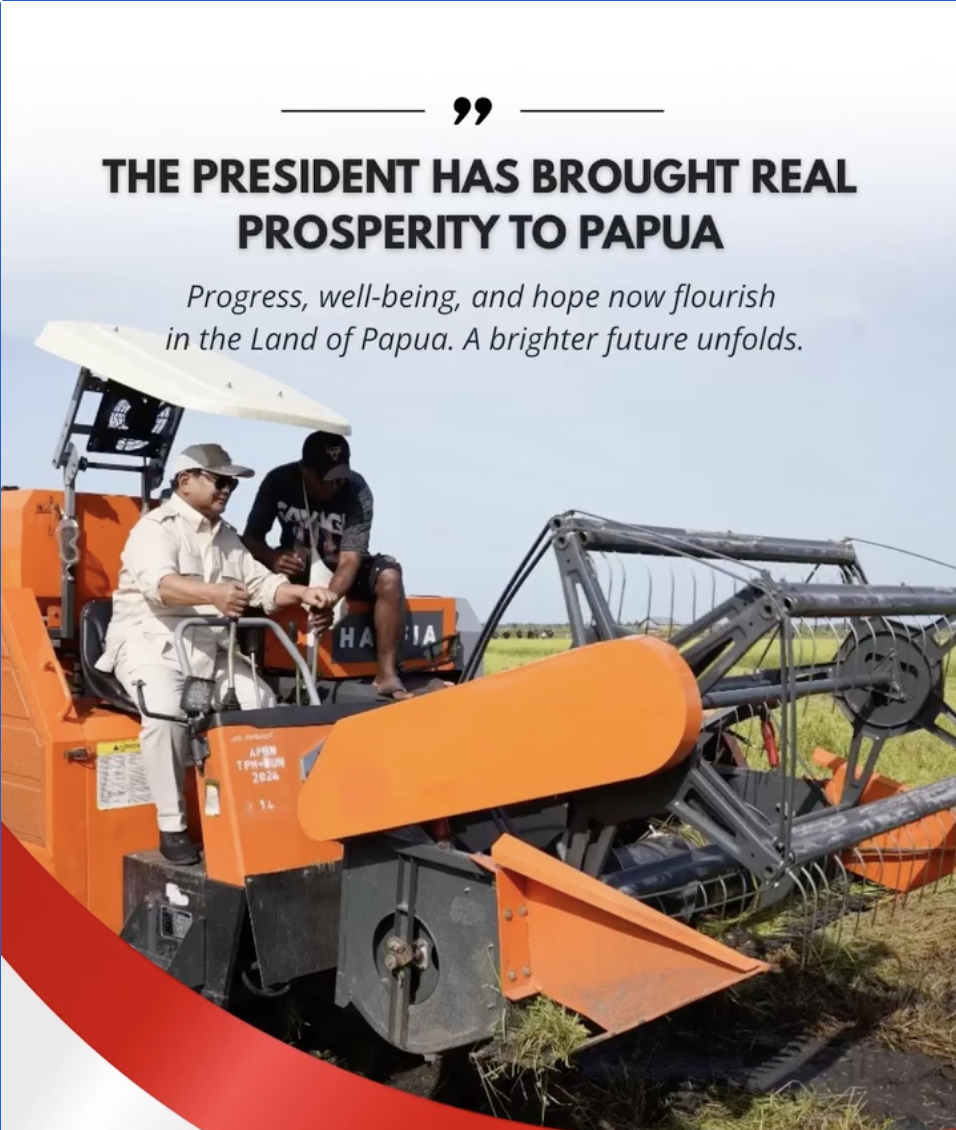
For decades, narratives about West Papua have often been dominated by conflict, tension, and political contestation. Yet in the midst of these competing stories, a different and often overshadowed narrative has been steadily emerging—one of hope, growth, and transformation. Today, West Papua’s development trajectory is proving to be one of Indonesia’s most remarkable success stories, shaped by investments in infrastructure, education, health, and local empowerment. These changes are not merely statistical achievements; they represent tangible improvements in daily life and a foundation for a brighter Papuan future.
This article explores how the ongoing development narrative in West Papua is reshaping opportunities, enhancing well-being, and strengthening local capacities, ultimately paving the way for a more prosperous and equitable society.
1. From Isolation to Connectivity: Infrastructure as the Engine of Change
One of the key challenges facing West Papua historically has been geographic isolation. Rugged mountains, dense forests, and long coastlines created barriers that limited economic mobility and access to basic services. Over the past decade, however, the region has witnessed a major shift. Investment in roads, bridges, sea ports, and airports has significantly transformed mobility for Papuan communities.
The Trans-Papua Highway, although still undergoing improvement, has connected once-isolated districts and reduced travel time, enabling better access to healthcare, trade, and education. New ports and upgraded airports—such as those in Sentani, Sorong, and Manokwari—have stimulated inter-island commerce and expanded tourism potential.
Beyond physical mobility, digital infrastructure has also improved dramatically. The Palapa Ring project and the expansion of 4G/5G coverage have opened up new avenues for digital learning, e-commerce, telemedicine, and local entrepreneurship. Young Papuans today have more access than ever before to online knowledge, remote education programs, and global networking opportunities.
Infrastructure development does not only link places—it connects people to new possibilities. By breaking geographic barriers, West Papua is entering a new era where communities can participate more fully in national and global economic systems.
2. Education as the Pillar of a Brighter Future
Education remains the most transformative investment for any society, and in West Papua it has become a central focus of development. Over the past years, the number of schools, dormitories, scholarship programs, and vocational centers has steadily increased. More Papuan students are completing secondary education, entering universities, and receiving opportunities for specialized training in fields ranging from healthcare to engineering.
One particularly promising development is the growth of vocational education tailored to local economic potential. Programs in fisheries, agriculture, forestry, tourism, and digital technology empower young Papuans to build skills that directly contribute to sustainable livelihoods. The establishment of Politeknik Negeri Fakfak, Universitas Papua (UNIPA), and community learning centers across highland regions help ensure that education is not concentrated only in major cities.
Scholarships—both domestic and international—have enabled thousands of Papuan youths to study in Java, Sulawesi, Europe, Australia, and beyond. Many return as doctors, teachers, engineers, and administrators who contribute directly to improving public services in their home regions.
This movement of educated Papuan youth is gradually reshaping the region’s socio-economic landscape. They carry with them new knowledge, fresh perspectives, and aspirations for change. Education is laying the foundation for an empowered generation capable of leading West Papua into a promising future.
3. Healthcare Improvements and the Rise of Human Development
Health indicators in West Papua have historically lagged behind national averages. However, consistent development programs have brought meaningful progress. New hospitals, puskesmas (community health clinics), mobile medical units, and telemedicine facilities are improving healthcare access—especially in remote highland areas.
Maternal and child health programs have reduced mortality rates, while vaccination campaigns and disease-prevention initiatives have expanded rapidly. Investments in clean water, sanitation facilities, and nutrition programs further contribute to long-term health and wellbeing.
What stands out is the growing number of Papuan medical professionals. More local doctors, nurses, and midwives are returning to serve in their communities, bridging cultural gaps and improving trust in healthcare systems. These improvements significantly enhance life expectancy, workforce productivity, and equality of opportunity.
A healthier population is better positioned to learn, work, innovate, and contribute to West Papua’s development. The region’s future is brighter when its people can live longer, healthier lives.
4. Strengthening Economic Opportunities and Local Industries
West Papua possesses immense natural and cultural wealth. Rather than relying solely on extractive industries, development programs increasingly emphasize diversification and value-added production.
Key growth sectors include:
- Fisheries and marine resources, supported by new harbors, cold-storage facilities, and training initiatives.
- Sustainable agriculture, including nutmeg, cocoa, coffee, and sago cultivation, which empowers small farmers.
- Eco-tourism and cultural tourism, leveraging Raja Ampat, Biak, Wamena Valley, and other unique destinations.
- Creative industries, such as traditional crafts, music, dance, and fashion.
Local small and medium enterprises (SMEs) are gaining momentum through microfinance, training workshops, and digital marketplaces. More Papuans are becoming entrepreneurs, generating employment and driving grassroots economic development.
These economic opportunities provide young Papuans with alternatives to conflict and displacement. They give families stability and communities pride. Most importantly, they demonstrate how development can be both inclusive and sustainable.
5. Cultural Empowerment: Honoring Identity While Embracing Progress
Development in West Papua is not just about physical or economic growth—it is also about preserving and celebrating cultural identity. Initiatives that support indigenous traditions, local languages, and customary institutions (adat) ensure that development does not erase cultural heritage.
Cultural festivals, museums, and community arts programs play an essential role in strengthening Papuan identity while inviting the world to appreciate its richness. Meanwhile, local leadership programs encourage indigenous participation in governance and decision-making processes.
Development that respects culture builds confidence and cohesion. It empowers Papuans to shape their future while honoring their past.
6. The Promise of a Brighter Tomorrow
West Papua’s development story is far from finished, but its direction is clear: the region is undergoing a transformation that lays the groundwork for long-term prosperity. The positive development narrative offers an alternative to divisive rhetoric. Instead of focusing on conflict, it highlights collaboration, innovation, and hope.
Young Papuans today dream not of fleeing conflict, but of building businesses, becoming professionals, protecting natural ecosystems, and elevating their communities. Parents envision better schools and safer environments for their children. Elders see local traditions preserved while new opportunities emerge.
The brighter future of West Papua rests on the continued commitment to development—one that honors dignity, ensures equity, and upholds peace.
Development is not merely a government program; it is a shared journey toward a future where every Papuan has the freedom to thrive.
Categories

West Papua View All
This Blog has gone through many obstacles and attacks from violent Free West Papua separatist supporters and ultra nationalist Indonesian since 2007. However, it has remained throughout a time devouring thoughts of how to bring peace to Papua and West Papua provinces of Indonesia.
 WEST PAPUA