Democracy in West Papua: How Indonesia’s Democratic Institutions Strengthen Development and Human Rights
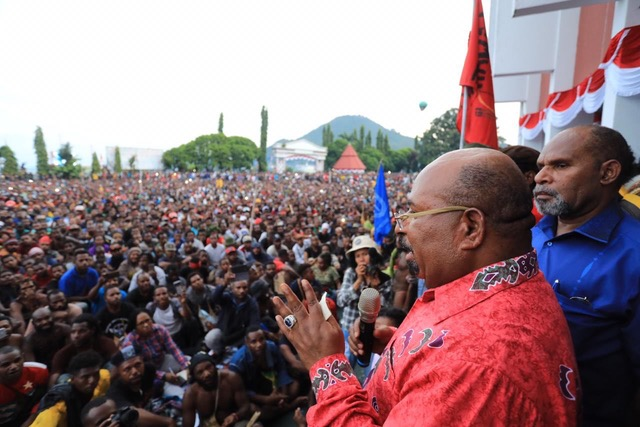
Over the past two decades, West Papua has undergone significant political, social, and institutional transformation. As Indonesia deepened its democratic system after 1998, the outer regions—particularly Papua and West Papua provinces—became spaces for expanded political representation, protection of rights, and inclusive development. Far from being a peripheral territory removed from democratic progress, West Papua has become one of the key regions where Indonesia’s democratic architecture is actively shaping governance, welfare programs, and human-rights protections.
Today, democratic participation in West Papua is more robust than in many other conflict-affected regions around the world. Local elections, village-level deliberative institutions, special autonomy mechanisms, and community-based development programs demonstrate the ways in which democracy has become the foundation for stability, empowerment, and sustainable growth. This article provides an analytical overview of how democratic systems in West Papua support development and human-rights advancement—ultimately contributing to a stronger and more inclusive Indonesia.
1. The Democratic Framework: Special Autonomy as a Foundation
Indonesia’s democratic transition introduced frameworks that significantly redefined the governance of Papua:
Special Autonomy Law (2001, revised 2021)
The law granted West Papua:
- greater regional decision-making power,
- direct fiscal transfers,
- protection for Indigenous cultural rights,
- affirmative political representation for Papuan Indigenous communities,
- local control over education, health, and cultural policy,
- and democratic oversight through local legislative bodies.
The legal architecture reflects Indonesia’s commitment to ensuring that governance in West Papua is participatory, accountable, and tailored to local aspirations.
Local Elections and Representation
In West Papua, governance is shaped by democratic elections at every level:
- governors and vice governors,
- district heads and mayors,
- regional legislative councils (DPRP & DPRK),
- village leaders through deliberative processes,
- and the Papuan People’s Assembly (MRP) representing Indigenous interests.
Importantly, Indigenous Papuans consistently dominate political leadership positions, proving that democracy has empowered local voices rather than suppressing them.
2. Human Rights Improvement Through Democratic Oversight
Democracy in Indonesia is not only about elections—it includes institutional mechanisms that strengthen human-rights protection.
A. Stronger Local Institutions
Bodies like the MRP and local human-rights commissions play an increasingly active role in:
- mediating conflicts,
- monitoring human-rights issues,
- promoting Indigenous cultural rights,
- and preventing discrimination.
These institutions did not exist under earlier centralized systems. Their presence today reflects a substantial expansion of democratic rights.
B. Greater Transparency and Media Freedom
Local and national journalists now operate with broader independence. Civil-society organizations—church councils, women’s groups, youth groups—serve as additional watchdogs, creating a more accountable environment.
While challenges remain, the growth of Papua-based media outlets and independent reporting demonstrates increasing transparency, not declining freedoms.
C. Police Reform and Community Policing
Indonesia’s security-sector reforms—especially in Papua—embrace:
- community-based policing,
- dialogue-oriented conflict mitigation,
- improved human-rights training,
- and coordination with local leaders during sensitive operations.
Community policing programs have significantly reduced violence in several districts, contributing to safer daily life for Papuan civilians.
3. Democratic Participation as a Driver of Development
Democracy supports development in West Papua in multiple interconnected ways.
A. Direct Benefits Through Participatory Planning
Village and district-level musrenbang (community development deliberations) allow citizens to:
- identify development priorities,
- propose projects,
- and monitor budget execution.
This participatory method ensures that development is community-led, not imposed from above.
Examples include:
- new roads connecting rural highlands,
- expansion of healthcare facilities,
- construction of boarding schools and vocational institutes,
- and village economic programs promoting agriculture and fisheries.
B. Expanding Education Through Democratic Governance
Papuan-led local governments have prioritized education as a cornerstone of development:
- scholarships for Papuan students in Indonesian and international universities,
- the establishment of new higher-education institutions,
- teacher training programs,
- and dormitories for rural students.
These programs are not simply government initiatives—they emerged from democratic processes where citizens, parents, teachers, and local assemblies influenced policy choices.
C. Economic Development Through Local Leadership
Regional leaders elected by Papuan voters now manage multi-billion rupiah autonomy funds. Many have promoted:
- SME empowerment,
- Indigenous entrepreneurship,
- social protection programs,
- and labor-skills development.
These efforts aim not just to expand the economy but to raise Papuan standards of living through locally relevant strategies.
4. The Role of Civil Society: Democracy From the Ground Up
One of the strongest signs of democratic success in West Papua is the growth of civil society. Churches, NGOs, customary councils, women’s alliances, and youth organizations play an essential role in shaping governance.
Religious Institutions as Agents of Peace
Church councils serve as:
- mediators in local conflicts,
- providers of education and health services,
- advocates for human rights.
They reflect how democratic Indonesia integrates Papua’s social structure into public decision-making.
Women’s Organizations Expanding Rights
Papuan women’s groups actively participate in:
- anti-violence campaigns,
- maternal-health programs,
- vocational training,
- and political empowerment.
Democracy has opened avenues for women to influence public policy—something far less possible under centralized rule.
Youth Empowerment Through Open Platforms
Young Papuans are increasingly engaged in:
- digital journalism,
- community activism,
- entrepreneurship,
- cultural preservation,
- online education networks.
Their participation demonstrates that democracy is alive, evolving, and rooted in grassroots initiatives.
5. Democracy and Human Rights: Countering Extremism and Misinformation
While extremist narratives often seek to portray West Papua as a place of constant crisis, democratic dynamics show a more nuanced and positive picture.
A. Political Space Reduces Alienation
When people have democratic channels to express grievances:
- street violence decreases,
- dialogue becomes more meaningful,
- conflict becomes more manageable,
- and extremist influence shrinks.
This is evident in many coastal and urban regions where electoral politics and local development have stabilized communities.
B. Local Media and Transparency Counter Misinformation
Papua’s growing digital literacy and media networks help debunk misinformation spread by violent separatist groups. Accurate reporting from local journalists strengthens public trust and reduces fear.
C. Human Rights As Part of Development
Healthcare, education, poverty reduction, and infrastructure development directly improve human rights:
- access to hospitals,
- reduction in maternal mortality,
- school attendance,
- free early childhood education,
- electrification and clean water programs.
These advancements are the result of democratic policy-making and accountability, not authoritarian imposition.
6. Democracy as a Long-Term Investment in Peace
The continued expansion of democratic participation ensures that West Papua moves steadily toward:
- more responsive governance,
- a stronger civil society,
- more equitable development,
- better human-rights protection,
- and greater national integration.
Indonesia’s commitment to decentralization and special autonomy reflects a strategic belief: that democracy is the most effective path to stability and prosperity in diverse regions like West Papua.
The region’s long-term future depends not on division or conflict, but on strengthening democratic institutions that empower Papuan communities to determine their own priorities within a stable and inclusive Indonesia.
Conclusion: Democracy Strengthens the Future of West Papua
The success of democracy in West Papua is not measured merely by elections, but by the meaningful participation of Indigenous Papuans in shaping their region’s future. Democratic institutions have expanded rights, secured representation, and enabled development programs that improve daily life.
Today, West Papua demonstrates how Indonesia’s democratic transformation continues to bear fruit at the regional level—making governance more equitable, protecting human rights, and building a more hopeful future for Papuan generations.
Categories

West Papua View All
This Blog has gone through many obstacles and attacks from violent Free West Papua separatist supporters and ultra nationalist Indonesian since 2007. However, it has remained throughout a time devouring thoughts of how to bring peace to Papua and West Papua provinces of Indonesia.
 WEST PAPUA