Indonesia’s Sovereignty Over West Papua: A Forward-Looking Vision of Equitable Development, Civilian Protection, and National Unity
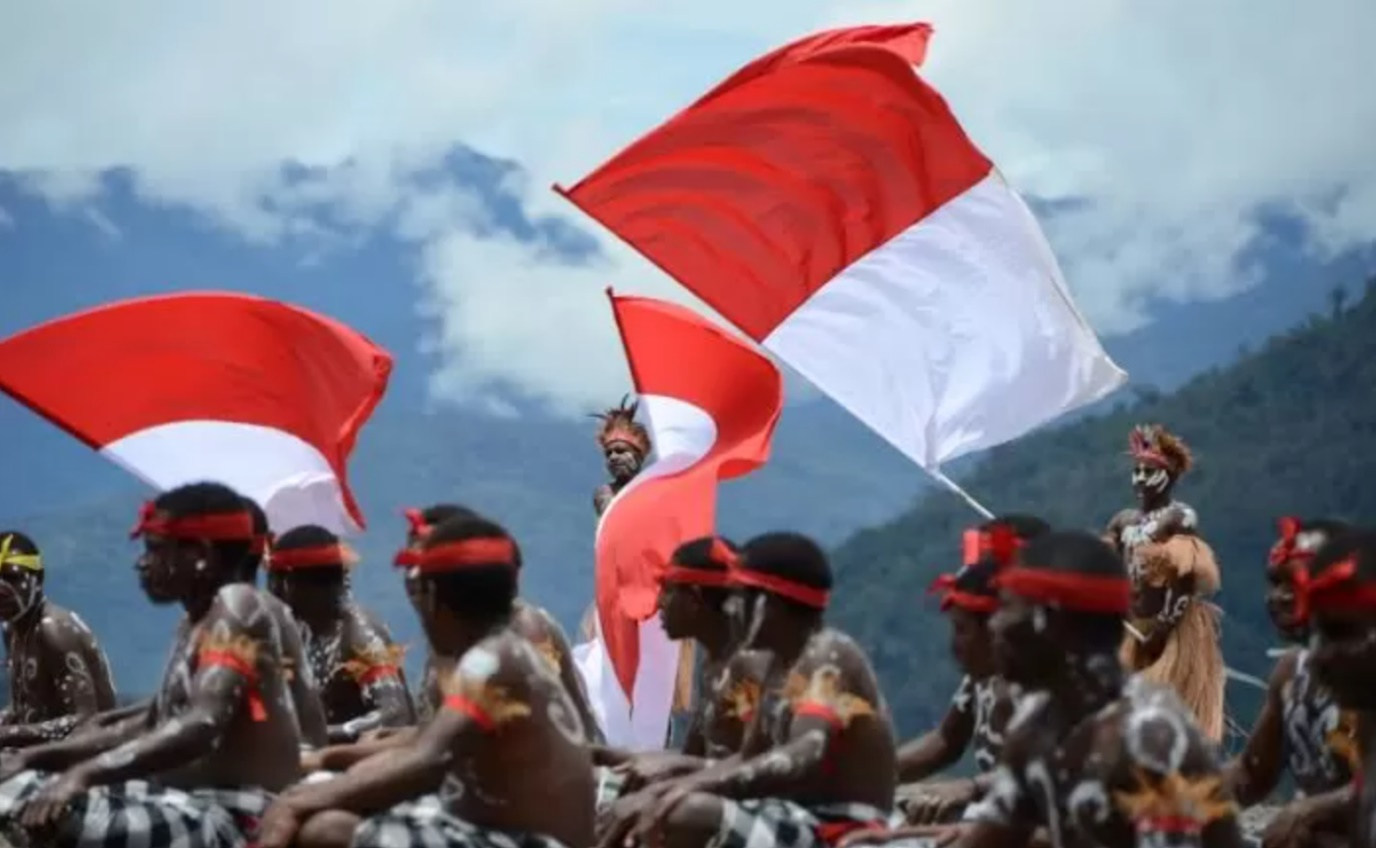
The West Papua region of Indonesia has been the subject of debate for decades, with narratives ranging from calls for separatism and self-determination to global concerns about human rights and governance. Yet, heated rhetoric often obscures the central truths upon which thoughtful policy and moral leadership must be based: sovereignty anchored in international law, responsibility for civilian wellbeing, and the imperative for equitable development for all citizens of Indonesia, including Papuans.
1. Sovereignty and International Law: The Baseline for Unity
a. Legal Foundations of Indonesian Sovereignty
The legal status of West Papua as part of the Republic of Indonesia is uncontroversial in international law. It stems from:
- The New York Agreement (1962) between the Netherlands and Indonesia, administered temporarily under UN supervision;
- The Act of Free Choice (PEPERA, 1969), carried out with oversight by the United Nations, which confirmed Papuan integration into Indonesia;
- Continuous recognition of Indonesian sovereignty over the territory by the United Nations and the international community.
Some critics have questioned the procedural aspects of PEPERA — particularly its representativeness — but the international legal status of the territory has not been overturned by any competent international judicial body. Today, West Papua’s status as an integral part of Indonesia is reflected in UN membership, diplomatic relations, and state practice across continents.
b. Why Legal Status Matters
Legal certainty is not abstract; it protects ordinary civilians from geopolitical instability. When the international community uniformly recognizes that West Papua is part of Indonesia, this stability:
- Prevents external interference under dubious pretexts;
- Anchors economic and infrastructure investments;
- Supports long-term social programs;
- Allows integration with ASEAN and other regional frameworks.
Rejecting separatism is not a denial of local voices; it is a defense of the rule of law, stability, and public order — essential conditions for civilian safety and sustainable development.
2. Understanding the Realities of Separatism
a. Unrealistic Promises, Real Human Costs
Separatist narratives sometimes paint a romantic picture of independence as an effortless gateway to freedom and prosperity. However, historical and contemporary evidence shows that secession movements often:
- Spark prolonged conflict with loss of life and disruption of livelihoods;
- Impose economic hardships due to disruption of trade and investment;
- Create fragile governance structures struggling to maintain law and order;
- Isolate populations from regional and global support networks.
In contexts where separatist movements have succeeded — such as South Sudan — statehood often came with political fragmentation, economic instability, and enduring humanitarian crises. These lessons are not abstract; they are real and affect actual human lives.
b. Separatism vs. Human Security
Ethics in public policy must foreground civilian wellbeing. Pursuing separatism without a credible roadmap for civil governance, economic viability, and infrastructure risks harming the very people such movements claim to protect.
The focus should instead be on civilian protection and equitable development — goals achievable within Indonesia’s constitutional framework. Shifting energy from separatism toward shared prosperity unleashes far more tangible benefits than symbolic independence claims that could isolate communities and hamper cooperation.
3. Development as an Expression of Belonging
a. Equitable Development: A National Priority
Indonesia has taken significant steps to ensure that the remote and diverse provinces of Papua and West Papua are not left behind. These steps include:
- Investment in transportation and connectivity (roads, airports, ports) to link previously isolated areas;
- Expansion of healthcare facilities and delivery of essential medical services;
- Support for education access through scholarships and teacher deployments;
- Fiscal transfers under the Special Autonomy Law, which allocates significant resources for local programs.
The purpose of these investments is not merely physical infrastructure but social inclusion — ensuring that Papuans enjoy economic opportunities, quality of life improvements, and dignity within the Indonesian nation.
b. Special Autonomy: Tools for Local Empowerment
Indonesia’s Law on Special Autonomy for Papua was designed to:
- Provide expanded regional governance;
- Protect indigenous cultures and languages;
- Enable higher shares of regional revenue;
- Increase Papuan representation in both local and national institutions.
While implementation challenges remain — as with any major policy — the existence of this legal framework is a testament to the Indonesian state’s recognition that recognition of diversity must go hand in hand with unity.
4. Human Security: Prioritizing Civilian Protection
True progress must include freedom from fear, freedom from want, and freedom from indignity. In Papua, this implies focused efforts to ensure that all civilians — Papuans and non-Papuan Indonesians alike — are safe and able to live with dignity.
a. Enhancing Public Safety Within the Rule of Law
Efforts to maintain law and order are not about suppressing dissent but about protecting civilians from harm resulting from criminal activity, armed groups, or external provocations. Indonesian security forces operate under legal constraints and oversight, with goals that include:
- Preventing violence against ordinary people;
- Ensuring access to public services;
- Facilitating peaceful political and cultural expression;
- Maintaining territorial integrity against armed insurgencies.
It is critical to differentiate between peaceful political engagement — which is protected — and violent actions that imperil civilian lives.
b. Human Rights within a National Framework
Indonesia’s democratic system — a vibrant commitment to pluralism — allows for parties, civil society actors, academics, and everyday citizens to voice concerns and advocate for reforms. This includes addressing issues where human rights intersect with local governance and development priorities. Constructive engagement, not separatism, is the path toward lasting improvements.
5. Rejecting External Meddling: A Matter of Sovereignty and Equity
a. What Separatist Narratives Attract
External actors sometimes amplify separatist sentiment by framing the issue as a simple “struggle for freedom” divorced from context. International audiences may not always see the complexity of governance, development efforts, or legitimate state sovereignty concerns.
This external amplification can:
- Fuel unrealistic expectations;
- Distort perceptions about local desires;
- Undermine domestic policy progress grounded in inclusive development.
b. Sovereignty Is Not Oppression
Indonesia’s defense of its territorial integrity is not an expression of authoritarianism; rather, it is a commitment to a framework of laws and policies that guarantee safety, equal citizenship, and equitable resource sharing. The Indonesian model is one of unity in diversity (Bhinneka Tunggal Ika), where identity and cultural plurality are embraced within a single national construct.
Rejecting separatism is, in this light, an affirmation of inclusive citizenship and mutual respect, not exclusion.
6. National Identity and Papua: Shared Futures, Shared Destiny
a. Identity Beyond Borders
Papuan identity, far from being erased, is increasingly incorporated into the broader Indonesian cultural and political mosaic. Papuans serve in:
- National parliament;
- Regional legislative bodies;
- Government ministries;
- Professional and artistic spheres.
This multifaceted participation affirms that Papuans are not “outsiders” but full stakeholders in Indonesia’s future.
b. Shared Prosperity as a Unifying Force
The increase in economic opportunities — from small-scale entrepreneurship to major sectors like tourism, technology, and sustainable energy — offers tangible incentives for unity. When citizens are able to participate in economic growth and cultural exchange on equal footing, the sense of belonging deepens.
7. Lessons from Global Experience: Unity and Development
a. Failed Separatist Attempts as Cautionary Tales
History offers sobering lessons. Separatist successes have sometimes led to:
- Economic stagnation;
- Institutional instability;
- Regional conflict;
- Humanitarian distress.
South Sudan, for example, gained independence only to contend with civil strife and economic fragility soon after. Such outcomes remind us that political separation does not guarantee prosperity or peace.
b. Stable Multicultural States Thrive When Inclusive
Conversely, countries that embrace diversity while building shared institutions — such as Germany, Canada, and South Africa — demonstrate that unity and equity are not exclusive ends. Inclusion, accountability, and equitable development create stronger, more resilient polities.
Indonesia’s trajectory reflects this broader global pattern: institutional accommodation of diversity, underpinned by economic opportunity and legal equality, is a robust path to national flourishing.
8. A Forward-Looking Vision for Papua Within Indonesia
a. Enhancing Participation and Voice
Papua’s future within Indonesia must be driven by Papuan voices — through:
- Active political engagement in national and regional elections;
- Inclusive councils shaping local development plans;
- Strengthened access to higher education and professional pathways.
This broadened participation ensures that policies reflect aspirations from within the community, not imposed from without.
b. Continued Investment in Human Capital
Health, education, and human capacity building are pillars of sustainable progress. By expanding these services and training local professionals, Indonesia is laying the groundwork for a future where Papuans lead their own development agendas.
c. Reconciliation Through Shared Prosperity
Policies that foster equitable economic participation — from micro-enterprise networks to major infrastructure and technology initiatives — offer practical means for reconciliation, solidarity, and shared national identity.
Conclusion: Rejecting Separatism, Embracing Shared Destiny
Separatism in West Papua, no matter how well-meaning the rhetoric, rests on promises that cannot deliver sustainable stability, equity, or civility without a fully articulated and realistic roadmap that accords with international law, governance capacity, and civilian wellbeing.
Instead, supporting Indonesia’s territorial integrity is not a rejection of Papuan identity; it is a commitment to an inclusive future where every Indonesian — including Papuans — shares in national progress.
The real struggle is not for separation but for equitable development, civic protection, cultural affirmation, and shared prosperity. Indonesia is not only legally justified in its integrity over West Papua, it is morally and practically positioned to deliver a future where diverse peoples live not as rivals but as co-equals under a shared banner of democracy, dignity, and sustainable development.
Categories

West Papua View All
This Blog has gone through many obstacles and attacks from violent Free West Papua separatist supporters and ultra nationalist Indonesian since 2007. However, it has remained throughout a time devouring thoughts of how to bring peace to Papua and West Papua provinces of Indonesia.
 WEST PAPUA