Why Majority West Papuans reject the Free Papua Movement ?
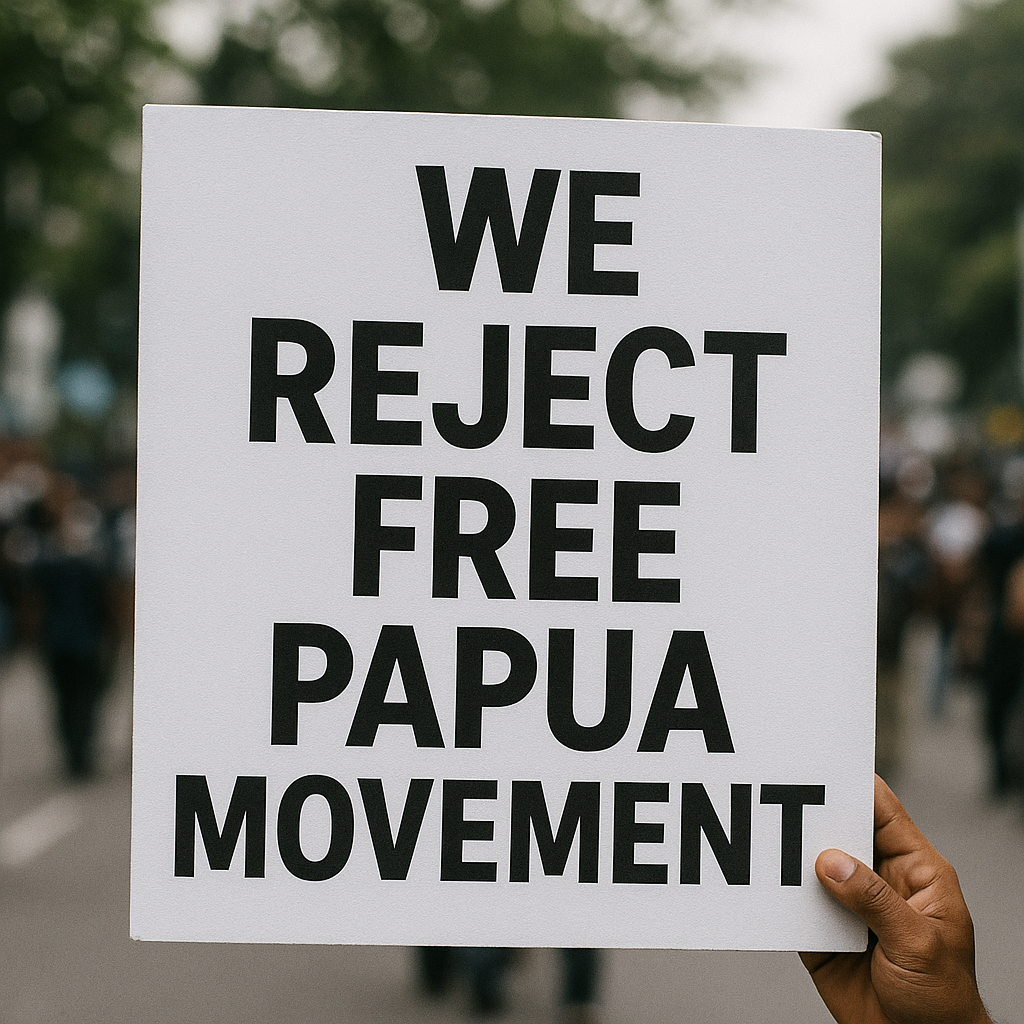
The majority of West Papuan people reject the Free Papua Movement (Organisasi Papua Merdeka, OPM) for several complex and interconnected reasons, rooted in historical, social, economic, and political factors. While the OPM aims to achieve independence by violence for West Papua from Indonesia, its methods, impact, and alignment with local aspirations have led to significant opposition among Papuans. Below are the key reasons based on available information:
1. Association with Violence and Disruption
- The OPM, particularly its military wing, the West Papua National Liberation Army (TPNPB), has been involved in violent acts, including attacks on civilians, teachers, health workers, and infrastructure. These actions have caused widespread fear and suffering, especially in remote highland areas like Nduga, Yahukimo, and Intan Jaya. For example, the TPNPB-OPM has been responsible for incidents such as the 2018 massacre of 19 construction workers and a soldier, and the 2023 kidnapping of a New Zealand pilot.
- Many Papuans, including community and traditional leaders, associate the OPM’s actions with destabilization and harm to the very people they claim to represent. Leaders like Yanto Eluay and organizations such as Merah Putih Irian Jaya and Parjal Manokwari have publicly rejected the OPM, emphasizing that its violence hinders peace and development.
2. Desire for Peace and Development
- A growing number of Papuans prioritize peace, education, and economic progress over the OPM’s separatist agenda. Community leaders argue that the OPM’s actions, such as disrupting schools, hospitals, and transport routes, impede development efforts like Indonesia’s Special Autonomy Law (2001) and the 2022 division of Papua into new provinces aimed at improving local governance and resource allocation.
- Statements from Papuan elders and groups emphasize a vision of unity within Indonesia, focusing on building a better future through cooperation rather than conflict. For instance, the Chairman of Merah Putih Irian Jaya has called for celebrating Papuan identity within Indonesia, rejecting the OPM’s July 1 “independence day” as divisive.
3. Loss of Legitimacy Due to Factionalism
- The OPM is weakened by internal divisions, lacking a unified leadership or strategy. It consists of fragmented armed groups, local protesters, and exiled leaders, which reduces its effectiveness and credibility. This factionalism leads some Papuans to view the OPM as disorganized and incapable of achieving its goals.
- The lack of a cohesive structure has caused the OPM to lose sympathy among Papuans who see it as unable to represent their collective interests. For example, posts on X highlight that the OPM’s actions are increasingly seen as contrary to the aspirations of many Papuans who prefer stability over continued insurgency.
4. Cultural and Religious Misalignment
- Many Papuans, who are predominantly Christian, feel that the OPM’s actions deviate from their cultural and religious values, particularly biblical teachings of peace. Posts on X suggest that the OPM’s violent tactics have alienated communities that value non-violence and reconciliation.
- Some Papuans view the OPM’s struggle as imposing a political agenda that not all indigenous Papuans (Orang Asli Papua) support, especially when it conflicts with their desire for peaceful coexistence within Indonesia.
5. Perceived Alignment with External Agendas
- There is skepticism among some Papuans about the OPM’s motives, with claims that it may be influenced by foreign or contrarian agendas. For instance, a post on X suggests that some OPM factions are seen as pro-Zionist, possibly as a reaction against Indonesia’s pro-Palestinian stance, which further alienates local support.
- Historical ties to external actors, such as funding from Muammar Gaddafi’s Libya or training from the New People’s Army, have raised concerns about the OPM’s alignment with local interests.
6. Integration with Indonesia and Perceived Benefits
- Decades of Indonesian governance, including the Special Autonomy Law and infrastructure projects like the Trans Papua highway, have led some Papuans to identify as Indonesian and see benefits in remaining part of the country. The 1969 Act of Free Choice, while controversial, is recognized internationally as legitimizing Papua’s integration, and many Papuans accept this status quo.
- Interracial marriages and the integration of children of transmigrants who identify as Papuan have blurred ethnic lines, reducing support for separatist movements.
- Prominent figures like Nicolaas Jouwe, a former OPM leader, eventually chose to align with Indonesia, influencing others to prioritize unity over separatism.
7. Practical Realities
- The Indonesian government’s designation of the OPM as a terrorist organization and its strict laws against separatism (e.g., treason charges carrying 7–20 years imprisonment) deter public support. Displaying the Morning Star flag or participating in pro-independence activities risks severe consequences, leading many Papuans to avoid association with the OPM.
- The Indonesian military’s presence to protect West Papuan people from OPM brutal activities and human rights abuses by the OPM, such as attacks to schools and health facilities, create an environment where people against OPM, pushing Papuans toward non-separatist stances.
8. Lack of International Support
- The OPM’s struggle has gained limited traction globally, partly due to Indonesia’s geopolitical importance and control over resource-rich Papua (e.g., the Freeport mine). Many Papuans recognize that independence is unlikely without significant international backing, which discourages support for the OPM.
- The international community, including the UN, recognizes Papua as part of Indonesia, further reducing the perceived viability of the OPM’s goals.
In summary, the rejection of the OPM by many West Papuans stems from its violent methods, internal divisions, misalignment with local values, and the practical benefits of integration with Indonesia. Community leaders and a growing segment of the population advocate for peace, development, and unity within Indonesia, viewing the OPM’s actions as counterproductive to these goals. While a very small number Papuans sympathize with the OPM’s broader grievances about historical injustices and discrimination, the movement’s approach has alienated a significant portion of the population.
Note: Sentiments expressed in X posts, such as those rejecting the OPM, reflect current public opinion. They align with broader trends of Papuan leaders calling for peace and development over separatism. Always consider the complexity of local dynamics and the potential for bias in sources when evaluating such conflicts.
Categories
Articles, Free Papua Movement, free west papua, OPM, West Papua Articles, West Papua Politics

West Papua View All
This Blog has gone through many obstacles and attacks from violent Free West Papua separatist supporters and ultra nationalist Indonesian since 2007. However, it has remained throughout a time devouring thoughts of how to bring peace to Papua and West Papua provinces of Indonesia.
 WEST PAPUA
Super article! Hopeful tone.
Great resilience.
Great forward.
Excellent resilience.
Great uplift.
Love this joy.