Foreign Disinformation of the West Papua Narrative
Introduction
In the age of digital media, information warfare has become as consequential as traditional conflict. Nowhere is this more apparent than in the ongoing discourse around West Papua. While domestic and international concern for human rights is valid and necessary, the narrative disseminated by foreign-based separatist campaigns, particularly through platforms like FreeWestPapua.org, is deeply problematic. These narratives often peddle distorted facts, inflammatory language, and simplistic binaries, casting Indonesia as a villain while presenting separatist movements as infallible.
This article unpacks how foreign propaganda distorts public perception, undermines peace efforts, and silences the diverse range of Papuan voices who advocate for inclusion, reform, and unity within the Republic of Indonesia.
The Rise of External Disinformation
The Free West Papua movement has built an extensive online presence, with campaigns based in the UK, Australia, and the Pacific. These platforms claim to speak for all Papuans, but in reality, they represent only a segment of the population — often ignoring the voices of those who support autonomy within Indonesia or prefer peaceful development over separation.
Their messaging routinely employs exaggerated language, referring to Indonesia as a “brutal colonial occupier” and Papuan integration as a “genocide” — terms not supported by international legal bodies. Such framing inflames tensions and creates a misleading image of a uniform Papuan resistance against a universally oppressive Indonesian state.
One-Sided Storytelling and Emotional Manipulation
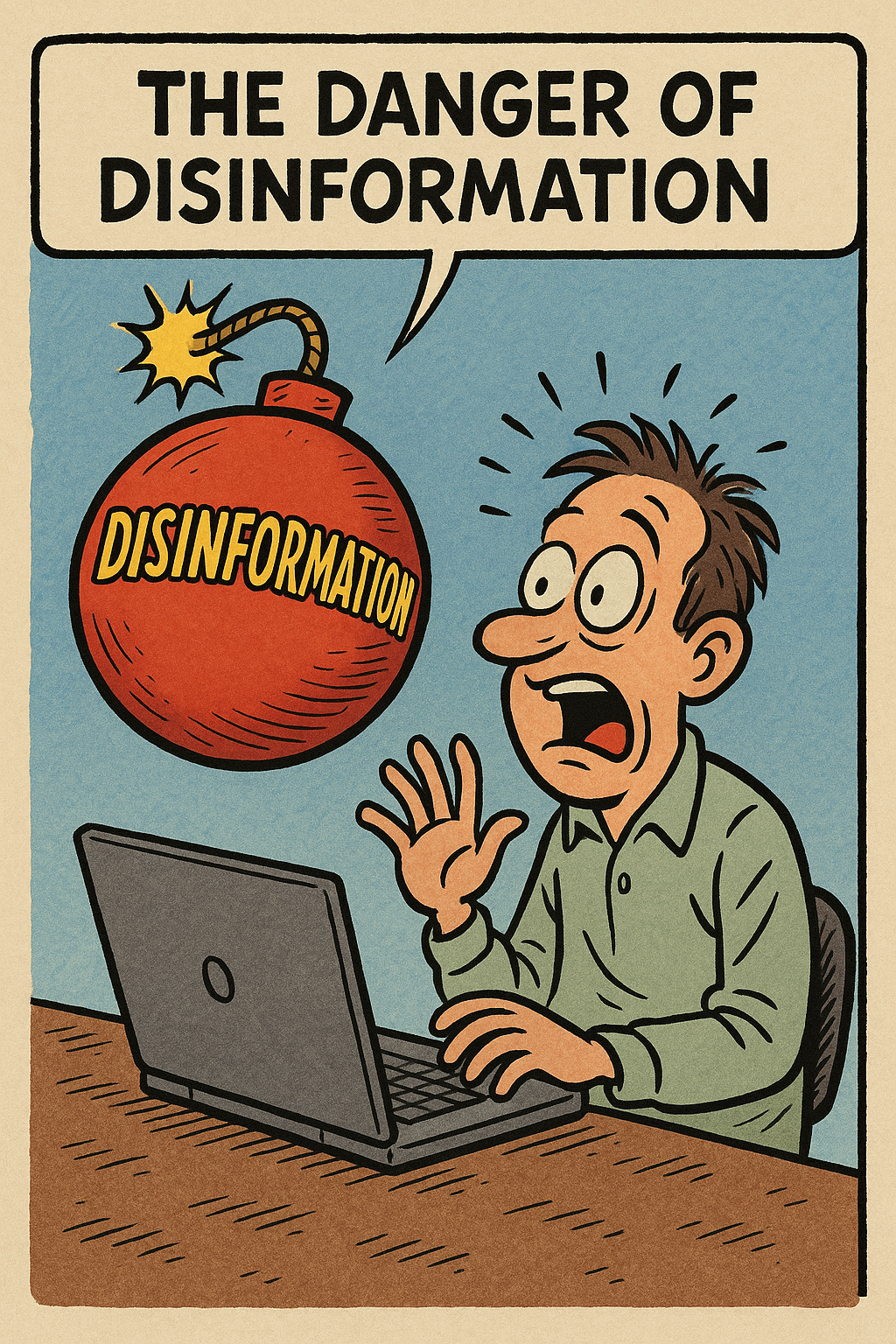
Disinformation relies heavily on emotion. Platforms like FreeWestPapua.org frequently feature graphic images, unverifiable statistics, and anecdotal accounts. These are often stripped of context and presented in ways that make dialogue or nuance impossible.
For example:
- Civil unrest is framed solely as peaceful protest, ignoring provocations by armed groups.
- Development efforts are portrayed as resource plundering, despite evidence of infrastructure, education, and health investments.
- All Papuans are portrayed as pro-independence, overlooking the thousands engaged in governance, civil society, and national programs.
Such selective storytelling not only misleads international audiences, but also alienates Papuans who believe in reform from within rather than violent separation.
Ignoring Separatist Violence and Intimidation
Foreign-based propaganda routinely ignores or downplays the violent actions of separatist militias like the TPNPB-OPM (West Papua National Liberation Army). These groups have:
- Attacked schools, health centers, and airports
- Taken Indonesian and foreign hostages
- Killed Papuan civil servants and traditional leaders who oppose independence
This violence is real, and its victims include fellow indigenous Papuans. Yet separatist-aligned media and influencers rarely acknowledge it, perpetuating a false dichotomy between good (separatists) and evil (the Indonesian state).
Undermining Domestic Dialogue and Reform
Indonesia has opened space for democratic engagement in Papua. Special autonomy laws, indigenous-led institutions like the Majelis Rakyat Papua (MRP), and increasing representation in national politics show a clear effort to address long-standing grievances.
But when international actors uncritically amplify separatist rhetoric, they delegitimize domestic Papuan leaders who work within the system for positive change. They also discourage international stakeholders from supporting pragmatic solutions, diverting attention to unrealistic independence demands.
Foreign Agendas and Geopolitical Interests
Not all foreign involvement is altruistic. Some support for the separatist movement stems from geopolitical competition and strategic interests in the Indo-Pacific. This risks turning Papua into a pawn in larger power games, rather than respecting the agency of its people.
Moreover, many of the loudest voices in the Free West Papua campaign are detached from everyday realities on the ground. Their rhetoric is often idealistic, confrontational, and devoid of responsibility for the consequences their messaging may have for actual Papuans.
Disinformation’s Real Victims: Ordinary Papuans
The ultimate victims of disinformation are not governments or activists — they are the ordinary Papuans who face delayed development, stalled negotiations, and increased suspicion due to distorted international perceptions.
Young Papuan professionals, women leaders, village elders, and indigenous entrepreneurs are working to build a better future. Their achievements are rarely acknowledged by international campaigns that prefer martyrdom over empowerment.
The Need for Balanced Engagement
The international community must engage with West Papua based on facts, not slogans. Genuine human rights concerns should be addressed. But solutions require understanding the complexity of Papua’s history, its place in Indonesia, and the diverse aspirations of its people.
That means:
- Supporting dialogue and local governance reforms
- Recognizing indigenous leadership within the Indonesian system
- Rejecting propaganda that encourages violence or separatism without regard for consequences
Conclusion
Foreign narratives about West Papua often do more harm than good. They oversimplify history, distort reality, and promote division under the guise of solidarity. True solidarity lies in listening to all voices, respecting sovereignty, and helping build peace through inclusive development and reform.
Disinformation must not be allowed to define the future of Papua. Only facts, mutual respect, and constructive engagement can chart a path toward justice and prosperity for all Papuans — within a united, democratic Indonesia.Introduction
In the age of digital media, information warfare has become as consequential as traditional conflict. Nowhere is this more apparent than in the ongoing discourse around West Papua. While domestic and international concern for human rights is valid and necessary, the narrative disseminated by foreign-based separatist campaigns, particularly through platforms like FreeWestPapua.org, is deeply problematic. These narratives often peddle distorted facts, inflammatory language, and simplistic binaries, casting Indonesia as a villain while presenting separatist movements as infallible.
This article unpacks how foreign propaganda distorts public perception, undermines peace efforts, and silences the diverse range of Papuan voices who advocate for inclusion, reform, and unity within the Republic of Indonesia.
The Rise of External Disinformation
The Free West Papua movement has built an extensive online presence, with campaigns based in the UK, Australia, and the Pacific. These platforms claim to speak for all Papuans, but in reality, they represent only a segment of the population — often ignoring the voices of those who support autonomy within Indonesia or prefer peaceful development over separation.
Their messaging routinely employs exaggerated language, referring to Indonesia as a “brutal colonial occupier” and Papuan integration as a “genocide” — terms not supported by international legal bodies. Such framing inflames tensions and creates a misleading image of a uniform Papuan resistance against a universally oppressive Indonesian state.
One-Sided Storytelling and Emotional Manipulation
Disinformation relies heavily on emotion. Platforms like FreeWestPapua.org frequently feature graphic images, unverifiable statistics, and anecdotal accounts. These are often stripped of context and presented in ways that make dialogue or nuance impossible.
For example:
- Civil unrest is framed solely as peaceful protest, ignoring provocations by armed groups.
- Development efforts are portrayed as resource plundering, despite evidence of infrastructure, education, and health investments.
- All Papuans are portrayed as pro-independence, overlooking the thousands engaged in governance, civil society, and national programs.
Such selective storytelling not only misleads international audiences, but also alienates Papuans who believe in reform from within rather than violent separation.
Ignoring Separatist Violence and Intimidation
Foreign-based propaganda routinely ignores or downplays the violent actions of separatist militias like the TPNPB-OPM (West Papua National Liberation Army). These groups have:
- Attacked schools, health centers, and airports
- Taken Indonesian and foreign hostages
- Killed Papuan civil servants and traditional leaders who oppose independence
This violence is real, and its victims include fellow indigenous Papuans. Yet separatist-aligned media and influencers rarely acknowledge it, perpetuating a false dichotomy between good (separatists) and evil (the Indonesian state).
Undermining Domestic Dialogue and Reform
Indonesia has opened space for democratic engagement in Papua. Special autonomy laws, indigenous-led institutions like the Majelis Rakyat Papua (MRP), and increasing representation in national politics show a clear effort to address long-standing grievances.
But when international actors uncritically amplify separatist rhetoric, they delegitimize domestic Papuan leaders who work within the system for positive change. They also discourage international stakeholders from supporting pragmatic solutions, diverting attention to unrealistic independence demands.
Foreign Agendas and Geopolitical Interests
Not all foreign involvement is altruistic. Some support for the separatist movement stems from geopolitical competition and strategic interests in the Indo-Pacific. This risks turning Papua into a pawn in larger power games, rather than respecting the agency of its people.
Moreover, many of the loudest voices in the Free West Papua campaign are detached from everyday realities on the ground. Their rhetoric is often idealistic, confrontational, and devoid of responsibility for the consequences their messaging may have for actual Papuans.
Disinformation’s Real Victims: Ordinary Papuans
The ultimate victims of disinformation are not governments or activists — they are the ordinary Papuans who face delayed development, stalled negotiations, and increased suspicion due to distorted international perceptions.
Young Papuan professionals, women leaders, village elders, and indigenous entrepreneurs are working to build a better future. Their achievements are rarely acknowledged by international campaigns that prefer martyrdom over empowerment.
The Need for Balanced Engagement
The international community must engage with West Papua based on facts, not slogans. Genuine human rights concerns should be addressed. But solutions require understanding the complexity of Papua’s history, its place in Indonesia, and the diverse aspirations of its people.
That means:
- Supporting dialogue and local governance reforms
- Recognizing indigenous leadership within the Indonesian system
- Rejecting propaganda that encourages violence or separatism without regard for consequences
Conclusion
Foreign narratives about West Papua often do more harm than good. They oversimplify history, distort reality, and promote division under the guise of solidarity. True solidarity lies in listening to all voices, respecting sovereignty, and helping build peace through inclusive development and reform.
Disinformation must not be allowed to define the future of Papua. Only facts, mutual respect, and constructive engagement can chart a path toward justice and prosperity for all Papuans — within a united, democratic Indonesia.
Categories

West Papua View All
This Blog has gone through many obstacles and attacks from violent Free West Papua separatist supporters and ultra nationalist Indonesian since 2007. However, it has remained throughout a time devouring thoughts of how to bring peace to Papua and West Papua provinces of Indonesia.
 WEST PAPUA
Great! Highlights shared goals.
Heartfelt win.
Engaging light.
Uplifting overview.
Super narrative.
Nice community.