Peaceful Communication: A Pathway to Lasting Harmony in West Papua
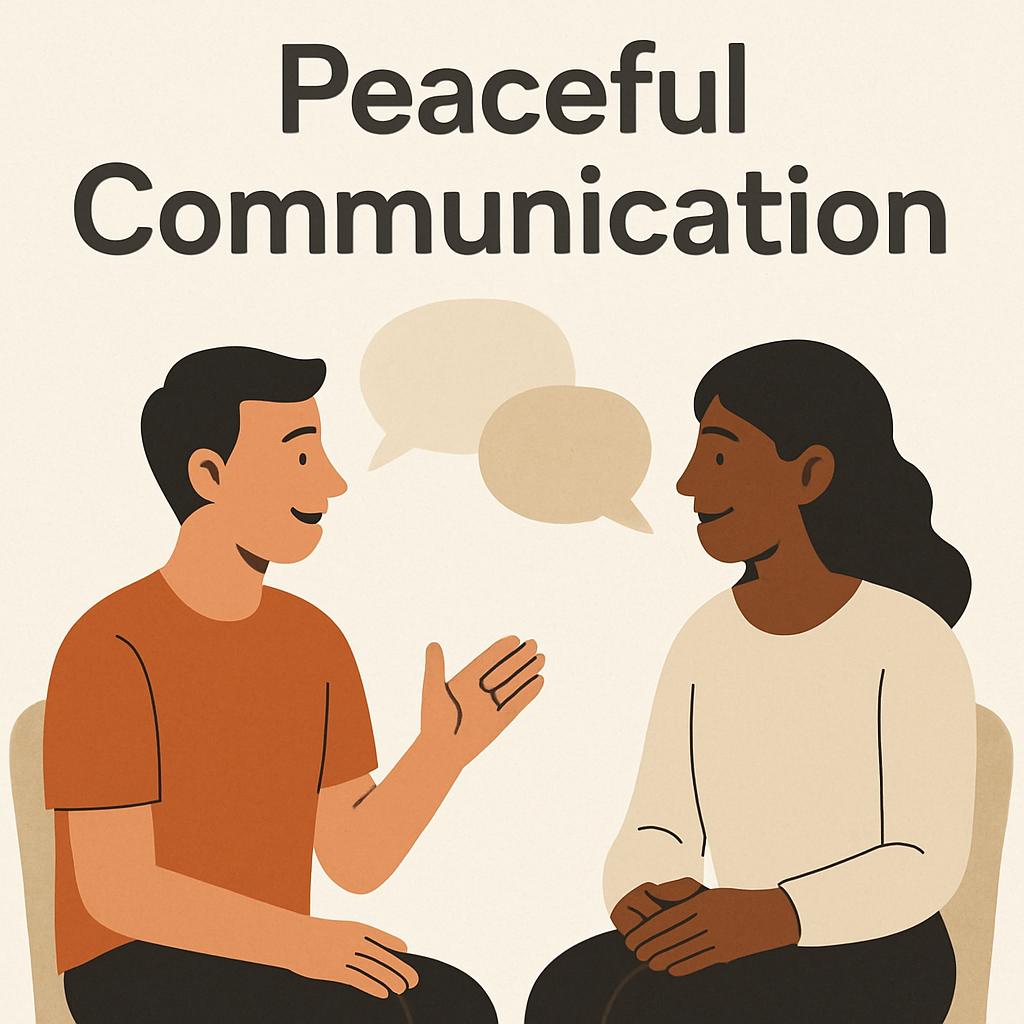
Illustration of Communication
For decades, the issue of West Papua has stirred passionate debates, fueled by historical grievances, political tensions, and human rights concerns. Yet, despite the complexity of this issue, one truth remains clear: peaceful communication is the only viable path forward. Dialogue—not division, understanding—not judgment—must be the cornerstone of any sustainable solution.
In this article, we explore how peaceful communication strategies can help resolve tensions in West Papua and pave the way for a future of unity, justice, and mutual respect between Papuans and the wider Indonesian society.
Understanding the Roots of the Conflict
To begin any meaningful conversation, we must first acknowledge the roots of the issue. West Papua’s integration into Indonesia in the 1960s remains a point of contention. Over time, allegations of political marginalization, underdevelopment, and human rights violations have fueled dissatisfaction among some Papuan communities, giving rise to separatist movements and sporadic violence.
These grievances are not merely about politics—they are about identity, dignity, and a sense of belonging. If ignored or dismissed, they fester into resentment. But if respectfully heard and addressed, they become the foundation for healing and peace.
The Power of Listening
One of the most powerful tools in peaceful communication is active listening. Too often, conflict arises not because people disagree—but because they feel unheard.
For the West Papua issue, this means:
- Indonesian authorities listening sincerely to local concerns without prejudice.
- Papuan leaders speaking not only with passion but also with the goal of unity.
- Creating safe spaces—forums, town halls, media platforms—where youth, elders, women, and civil society can express their aspirations freely.
When people are truly listened to, walls fall. Mistrust turns into dialogue. Conflict gives way to collaboration.
Reframing the Narrative
The way we talk about West Papua matters. Language shapes perception. If the narrative only focuses on conflict, rebellion, and security, we miss the stories of resilience, development, and cultural richness.
Peaceful communication involves:
- Highlighting positive developments—schools being built, hospitals opening, local leaders taking initiative.
- Showcasing Papuan voices in national media as contributors, not victims.
- Promoting stories of unity, such as inter-ethnic cooperation, cultural exchanges, and successful Papuan figures in national roles.
By changing the narrative, we shift the mindset from “us vs. them” to “we are one.”
Respecting Cultural Identity
Peaceful communication respects and uplifts local identity. Papuans are proud of their unique heritage—languages, traditions, dances, and ancestral ties to the land. Recognizing this identity is not a threat to Indonesian unity; in fact, it strengthens it.
Efforts that can bridge communication include:
- Teaching local languages in schools.
- Involving tribal elders in community decisions.
- Supporting traditional arts, festivals, and cultural centers.
When identity is respected, the call for separation loses its fuel. People feel they can be both Papuan and Indonesian.
Mediating Through Trusted Figures
In regions with historical tension, neutral and respected mediators can guide conversations more effectively than political actors alone. These may include:
- Religious leaders, both Christian and Muslim.
- Tribal chiefs and community elders.
- Academics and civil society activists.
- Independent human rights observers.
Such individuals or groups can facilitate honest dialogue that’s less politically charged and more emotionally grounded. They serve as bridges between communities and institutions.
Harnessing Youth and Technology
Young Papuans are increasingly connected through smartphones, social media, and online learning. They are the future peacemakers, and communication with them must reflect the digital age.
Governments and NGOs can:
- Launch digital literacy and peace education campaigns.
- Host online town halls where youth can voice concerns.
- Create platforms for young Papuans to share stories, innovations, and cultural pride.
Digital communication can be a force for peace if used wisely. It allows real-time dialogue across vast distances and fosters empathy among people from different backgrounds.
Transparency and Trust Building
Trust is essential. Without it, even the most well-intended words can fall flat. Governments, media, and organizations must ensure that communication around West Papua is transparent, consistent, and fact-based.
That means:
- Clearly communicating the purpose and progress of development projects.
- Addressing accusations or concerns swiftly with verified information.
- Engaging with criticism constructively, not defensively.
When communication is open and honest, suspicion fades. People are more likely to engage, collaborate, and hope.
Legal Frameworks for Peaceful Expression
Peaceful communication also means ensuring that freedom of speech and peaceful protest are protected. People need to know they can speak out—without fear.
Indonesia’s commitment to democracy includes:
- Allowing peaceful expression of political opinions.
- Differentiating between armed rebellion and peaceful activism.
- Protecting journalists, whistleblowers, and civil society actors.
A nation that allows its people to speak their truth is a nation that grows stronger, not weaker.
Inclusive Development Planning
Often, communication breaks down when decisions are made without involving local voices. Papuans should not only be the recipients of development—they should be the planners, implementers, and evaluators.
This means:
- Involving local leaders in budgeting and resource allocation.
- Holding community consultations before launching big projects.
- Adopting a “listen first, act second” approach to regional policy.
When Papuans help shape their future, they claim ownership over their progress—and feel less inclined to resist it.
A Shared Future: Peace is a Two-Way Street
Peaceful communication is not just about preventing violence. It’s about building a future where everyone feels seen, heard, and valued. In West Papua, that requires commitment from all sides:
- From Jakarta, a willingness to listen and reform.
- From Papuan leaders, a focus on unity and peaceful advocacy.
- From Indonesians nationwide, an openness to embrace difference with respect.
Let us remember that communication is not weakness. It is the strongest form of courage—the kind that brings people together, heals old wounds, and builds bridges for generations to come.
Conclusion
The West Papua issue is complex, emotional, and deeply human. But amid all the noise, one truth shines through: peaceful communication offers a way forward. Not by ignoring the past, but by facing it together—with honesty, empathy, and commitment.
As Indonesia continues its journey as a diverse and democratic nation, may it hold West Papua not at arm’s length, but in the heart of its unity—bound not just by law, but by mutual understanding and shared dreams.
References
- King, P. (2004). West Papua and Indonesia Since Suharto: Independence, Autonomy or Chaos? UNSW Press.
– Provides deep insight into the historical background and ongoing tensions in West Papua. - International Crisis Group (ICG). (2020). Indonesia: Ending Conflict in Papua.
– A policy paper offering practical recommendations for resolving separatist issues through dialogue.
Retrieved from: https://www.crisisgroup.org/asia/south-east-asia/indonesia/indonesia-ending-conflict-papua - United Nations Human Rights Council (UNHRC). (2019). Report on the Human Rights Situation in West Papua.
– Highlights the importance of communication, transparency, and human rights protections.
Available at: https://www.ohchr.org/en/statements/2019/08 - Antara News. (2024). West Papua government sets priority programs to boost development.
– Discusses the role of community participation and communication in development planning.
Retrieved from: https://en.antaranews.com/news/355073/indonesias-west-papua-sets-prioritize-seven-priority-programs-in-2026 - Tempo English. (2022). Papua Dialogue Initiative Launched to Support Peace.
– Covers initiatives such as peace forums and youth engagement.
Link: https://en.tempo.co/ - Human Rights Watch (HRW). (2023). Indonesia: Peaceful Protesters Face Arrest in Papua.
– Stresses the need for legal reform and open communication.
Source: https://www.hrw.org/world-report/2023/country-chapters/indonesia - The Conversation. (2019). How Dialogue Can Help Solve the Papua Conflict.
– Analysis by Indonesian academics promoting inclusive conversation.
Article: https://theconversation.com/how-dialogue-can-help-solve-the-papua-conflict-124557 - UNESCO. (2021). Indigenous Languages and Education in Papua.
– Encourages cultural preservation through inclusive and respectful education strategies.
Access via: https://en.unesco.org/ - Yayasan Pengembangan dan Pemberdayaan Masyarakat Adat (YPPMA).
– Local NGO advocating for peaceful community-based dialogue in Papua.
Website: http://yppma-papua.org/ - Badan Nasional Penanggulangan Terorisme (BNPT).
– Has collaborated with local communities on deradicalization and peacebuilding communication.
Website: https://www.bnpt.go.id/
P
Categories

West Papua View All
This Blog has gone through many obstacles and attacks from violent Free West Papua separatist supporters and ultra nationalist Indonesian since 2007. However, it has remained throughout a time devouring thoughts of how to bring peace to Papua and West Papua provinces of Indonesia.
 WEST PAPUA
Informative and joyful.
Wonderful narrative.
Thank you
Excellent push.
Wonderful balance.
Fab bonds.
Super growth.