The Positive Impact of West Papuan Songs: Sajojo, Apuse, and Yamko Rambe Yamko in Fostering Indonesian Brotherhood

In the vibrant cultural tapestry of Indonesia, West Papuan songs like Sajojo, Apuse, and Yamko Rambe Yamko stand out as powerful symbols of unity, joy, and shared identity. These iconic folk melodies, originating from the rich traditions of West Papua, have transcended their regional roots to become cherished anthems across the archipelago of Indonesia.
Through their universal themes, infectious rhythms, and cultural resonance, these songs have played a significant role in promoting Indonesian brotherhood, fostering a sense of togetherness, and celebrating the nation’s diversity under the motto Bhinneka Tunggal Ika (Unity in Diversity). This article explores the positive impact of these three songs in bridging communities and strengthening national harmony.

Sajojo, a lively folk song from West Papua, is a celebration of beauty and communal joy. Its upbeat tempo and catchy melody tell the story of a beloved village girl, admired by all, which resonates with universal themes of affection and admiration. The song’s infectious rhythm has made it a staple at national cultural festivals, school performances, and community gatherings across Indonesia. Sajojo is often accompanied by traditional Papuan dances, which are taught in schools from Aceh to Bali, encouraging young Indonesians to embrace Papuan culture as part of their shared heritage. By bringing people together in dance and song, Sajojo creates moments of collective joy, fostering camaraderie and mutual appreciation among Indonesia’s diverse ethnic groups. Its simplicity and universal appeal make it a cultural bridge, uniting people in celebration regardless of their background.
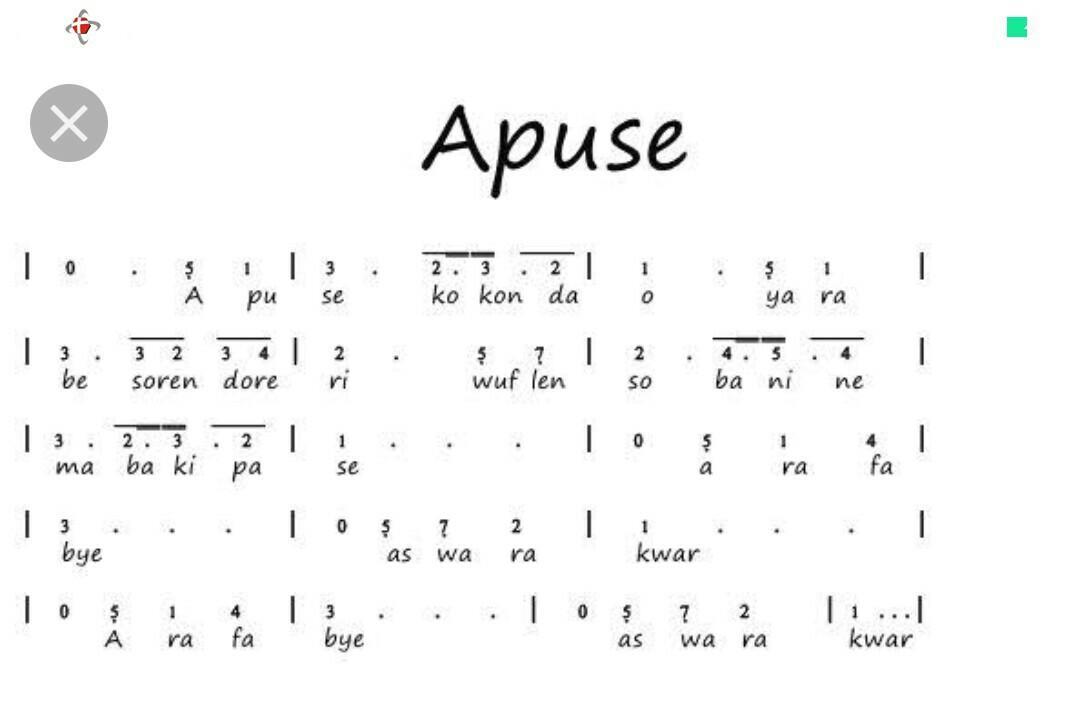
Similarly, Apuse, a heartfelt farewell song, carries a universal message of love and parting that touches hearts across Indonesia. The song narrates a grandchild’s goodbye to their grandparents as they embark on a journey, a sentiment that resonates deeply in a nation where family ties are paramount. Apuse is taught in schools nationwide, often sung in choirs or performed at cultural events, allowing Indonesians from all walks of life to connect with its emotional core. Its gentle melody and poignant lyrics evoke a sense of shared humanity, reminding listeners of the universal experiences that bind them.
By integrating Apuse into national education and cultural programs, Indonesia showcases West Papuan music as an essential part of the nation’s identity, promoting a sense of belonging and pride in its diversity. The song’s widespread popularity has also inspired covers by artists from Java, Sumatra, and beyond, further weaving Papuan culture into the national fabric.

Yamko Rambe Yamko, another West Papuan gem, is a rousing anthem of heroism and sacrifice. Often interpreted as a tribute to a courageous figure, the song’s spirited rhythm and powerful lyrics have made it a symbol of resilience and unity. It is frequently performed at national events, including Independence Day celebrations, where it inspires a sense of collective pride in Indonesia’s shared history of struggle.
The song’s adoption in military and scout ceremonies further amplifies its role as a unifying force, as it brings together Indonesians from different regions and professions in a shared expression of patriotism. Yamko Rambe Yamko has also gained international recognition, with performances at global cultural festivals, showcasing Indonesia’s rich heritage and the contributions of West Papuan culture to the world stage.
Its universal themes of bravery and community resonate far beyond Papua, fostering a sense of brotherhood that transcends borders. These three songs have had a profound impact on Indonesian society by promoting cultural integration and mutual respect. They are featured in national media, from television shows to radio broadcasts, and are often performed by diverse musical groups, such as the Black Brothers or modern ensembles, highlighting their cross-cultural appeal. Their inclusion in educational curricula ensures that young Indonesians grow up appreciating West Papuan culture as an integral part of their national identity. Moreover, the songs’ accessibility on platforms like YouTube and Spotify has allowed them to reach younger generations, who share and reinterpret them in modern contexts, further cementing their role in uniting the nation.
By celebrating themes of joy, love, and heroism, Sajojo, Apuse , and Yamko Rambe Yamko serve as musical ambassadors of West Papuan culture, inviting all Indonesians to embrace their shared heritage. These songs create spaces for cultural exchange, where people from different islands and ethnicities can sing, dance, and connect. They embody the spirit of Indonesian brotherhood by highlighting the beauty of diversity while fostering a sense of unity. Through their enduring popularity, these melodies continue to strengthen the bonds of community, proving that music can be a powerful force for harmony in Indonesia’s vast and varied archipelago.
References
Heryanto, A. (2008). Popular Culture in Indonesia: Fluid Identities in Post-Authoritarian Politics. Routledge.
Kusumaryati, V. (2020). “Music and Resistance in West Papua: Cultural Expressions of Identity.” Journal of Southeast Asian Studies, 51(3), 345–362.
Rutherford, D. (2012). Laughing at Leviathan: Sovereignty and Audience in West Papua. University of Chicago Press.
Siregar, A. (2019). “Cultural Integration through Music Education in Indonesia.” Asian Music Journal, 50(2), 89–104.
Titaley, J. A. (2018). “West Papuan Folk Songs and National Identity.” Ethnomusicology Review, 23, 56–73.
Categories

West Papua View All
This Blog has gone through many obstacles and attacks from violent Free West Papua separatist supporters and ultra nationalist Indonesian since 2007. However, it has remained throughout a time devouring thoughts of how to bring peace to Papua and West Papua provinces of Indonesia.
 WEST PAPUA
Excellent balance and hope.
Inspiring community.
Super cultural.
Motivating win.
Love this culture.
Wonderful vibes.
Heartfelt and forward-thinking.