Building the Foundations: West Papua’s Health Facilities Development

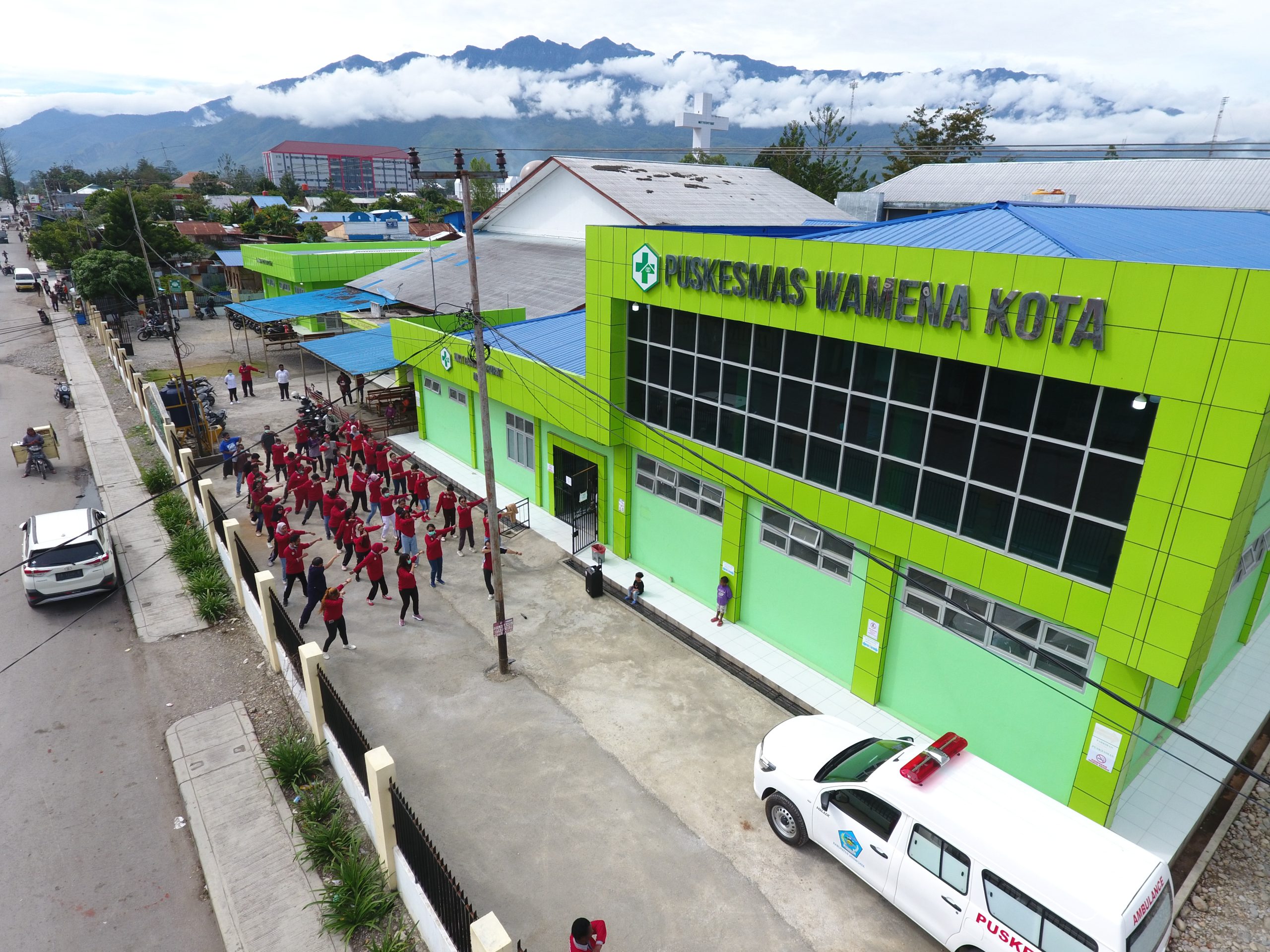
West Papua, one of Indonesia’s most remote provinces, is witnessing a quiet revolution in public health infrastructure. Once plagued by under-resourced clinics and difficult access, the province is now seeing significant improvements in healthcare access and service delivery—thanks to a mix of government initiatives, local innovation, and targeted investments in health facilities development.
In 2024, the Indonesian government intensified efforts to expand health coverage and services in West Papua under the Special Autonomy framework. The Ministry of Home Affairs and the Regional Representative Council (DPD) jointly emphasized that a minimum of 20% of special autonomy funds must be allocated to the health sector. This financial commitment ensured that remote and underserved communities were prioritized in the province’s health agenda.
One of the standout initiatives has been the launch of the Healthy West Papua Card (Kartu Papua Sehat)—a program that enables residents, especially those in rural and indigenous areas, to access free or subsidized healthcare. This card helps cover primary care, maternal services, immunizations, and treatment for chronic illnesses. By the end of 2024, thousands of families had benefited from the program, with clinics reporting a rise in patient visits and improved health-seeking behavior.
Another major milestone came with the establishment of new community health centers (Puskesmas) and the revitalization of existing ones. These facilities serve as the backbone of rural health delivery, offering basic medical care, vaccinations, maternal services, and health education. In places like South Manokwari and Bintuni, health centers have been equipped with solar-powered cold chains to preserve vaccines and mobile health units for outreach in mountainous and river-bound settlements.
Perhaps one of the most transformative programs was the deployment of military medical teams to remote districts such as Lanny Jaya and Pegunungan Bintang. In collaboration with the Ministry of Health, these mobile units provided essential services like checkups, emergency treatment, and medicine distribution to areas with no permanent medical personnel. This not only bridged critical access gaps but also built trust between security forces and local communities.
The province also partnered with NGOs and faith-based organizations to establish maternity homes (rumah bersalin) that offer prenatal and delivery services for women in isolated areas. These centers aim to reduce maternal and infant mortality rates, which have historically been among the highest in Indonesia. Local midwives, trained through government certification programs, now play a frontline role in safe deliveries and postnatal care.
Infrastructure upgrades have been accompanied by capacity-building programs. Hundreds of local health workers, nurses, and midwives were trained in 2024 under new guidelines focused on culturally sensitive care. Recognizing the linguistic diversity of West Papua, many educational materials and health campaigns were translated into local languages to boost outreach.
While challenges remain—such as uneven distribution of doctors and geographic barriers—West Papua’s healthcare journey marks a turning point. With ongoing funding, decentralized governance, and community involvement, the province is laying a strong foundation for equitable health access. These efforts reflect a broader vision: to ensure that every citizen, no matter how remote their village, receives the dignity and security of quality healthcare.
Categories

West Papua View All
This Blog has gone through many obstacles and attacks from violent Free West Papua separatist supporters and ultra nationalist Indonesian since 2007. However, it has remained throughout a time devouring thoughts of how to bring peace to Papua and West Papua provinces of Indonesia.
 WEST PAPUA
Well done! Inspires confidence.
Fantastic energy.
Nice resilience.
Informative optimism.
Nice narrative.
Great narrative.
Excellent balance and hope.