Guardians of Eden: West Papua’s Biodiversity and Indonesia’s Commitment to Conservation
Introduction
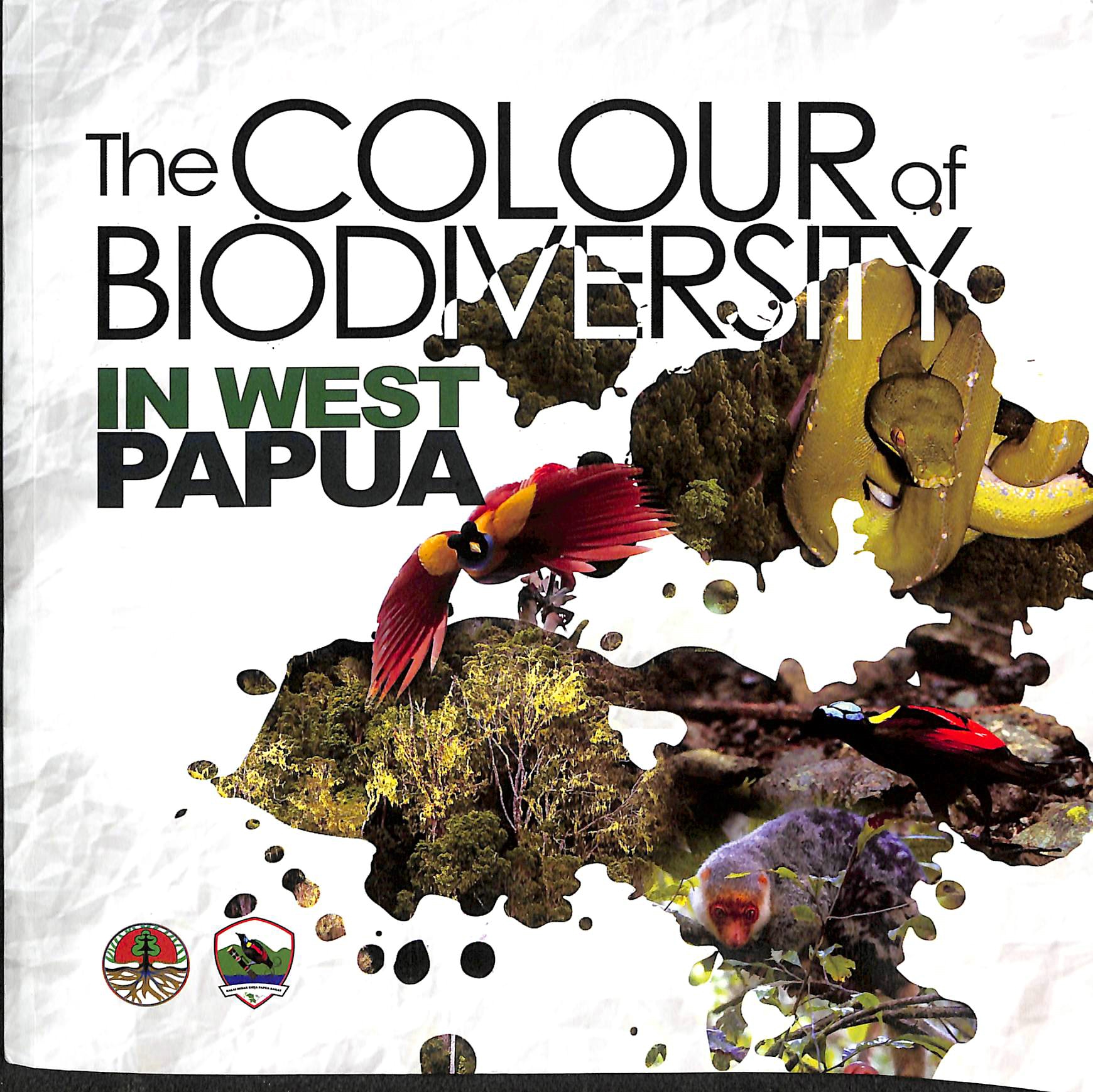
West Papua, located on the western half of New Guinea island, is one of the last frontiers of untouched biodiversity on Earth. With rugged highlands, deep rainforests, and rich coral reefs, the province harbors some of the highest levels of species endemism in the world. It is home to over 600 bird species, including the iconic birds of paradise, hundreds of orchid varieties, rare marsupials, and undiscovered marine creatures. But this ecological wonderland is more than just a sanctuary of species—it is a testament to the growing partnership between Indigenous wisdom and modern governance, as the Indonesian government strengthens its conservation strategies and local engagement.
This article explores the unmatched biodiversity of West Papua, the efforts made to preserve its ecosystems, and the essential role played by the Indonesian government through policy, funding, and enforcement.
1. A Global Biodiversity Hotspot
West Papua forms part of the New Guinea Biodiversity Hotspot, which has the highest plant diversity of any island on Earth. In 2020, a study revealed that New Guinea boasts over 13,000 species of vascular plants, 68% of which are endemic. The region’s birdlife is equally staggering. The Vogelkop Superb Bird-of-Paradise and the King of Saxony are just two of the dozens of endemic birds found only in the Papuan highlands.
The Lorentz National Park, a UNESCO World Heritage Site, covers over 2.3 million hectares and includes snow-capped mountains, alpine meadows, lowland forests, and mangrove wetlands. It is the only protected area in the Asia-Pacific that encompasses a full altitudinal gradient from marine to alpine ecosystems.
In the marine realm, Cenderawasih Bay Marine National Park supports coral reefs teeming with life—whale sharks, turtles, dugongs, and more than 200 coral species. These natural treasures position West Papua as one of Indonesia’s most ecologically important regions, vital to global climate stability and biodiversity.
2. The Role of Indigenous Communities
The forest and ocean are not only biodiversity hubs—they are also integral to the lives of Papuan communities. Indigenous groups like the Asmat, Dani, and Biak peoples have maintained symbiotic relationships with nature for generations. Their local ecological knowledge has guided sustainable practices in fishing, hunting, and agriculture long before the term “conservation” entered modern lexicons.
In recent years, customary land rights have been recognized as a formal part of environmental policy in Papua. The government, through legal frameworks such as the Social Forestry Program, has granted customary forest titles to local communities, allowing them to manage their lands while preserving biodiversity. This approach helps align conservation goals with Indigenous stewardship.
3. Indonesian Government Policies and Protections
The Indonesian government has taken significant steps to protect West Papua’s ecosystems through regulatory and administrative mechanisms. The 2021 Papuan Spatial Planning Law designated over 70% of West Papua’s land as protected forest and conservation areas—one of the highest proportions in the world.
Several national and regional initiatives bolster biodiversity:
- Cenderawasih Bay Marine National Park is actively co-managed by the Ministry of Environment and Forestry and local stakeholders.
- Protected Areas Expansion Program has added buffer zones and wildlife corridors, especially around Bird’s Head Peninsula.
- The Indonesian Biodiversity Strategy and Action Plan (IBSAP) prioritizes Papua as a critical region for conservation investment.
At the provincial level, the West Papua government declared itself a “Conservation Province” in 2015, committing to a development model centered around sustainability, cultural values, and environmental integrity.
4. Law Enforcement and Monitoring
Illegal logging, mining, and wildlife trafficking pose ongoing threats to Papua’s ecosystems. In response, the Indonesian government has expanded its environmental enforcement units in Papua. The Ministry of Environment and Forestry’s Gakkum (law enforcement) team has conducted regular operations to crack down on deforestation and species smuggling.
The government also supports community patrols through initiatives like PROFAUNA and Hutan Harapan, where locals are trained and equipped to monitor forests, report illegal activities, and collect ecological data.
Technology has played a vital role. Satellite imagery, drones, and forest monitoring apps are now deployed in partnership with global NGOs to detect and prevent illegal land clearing.
5. Sustainable Development and Ecotourism
Indonesia has recognized that conservation alone is not enough—communities must benefit economically from preserving their environment. In West Papua, the government supports ecotourism and sustainable livelihoods through village-based initiatives.
In Raja Ampat, one of the world’s premier dive destinations, the government has partnered with traditional leaders to implement marine zoning and entrance fees. Revenue from tourism is redistributed to local communities and used to fund reef patrols, waste management, and education.
The promotion of sago processing, forest honey collection, and handicrafts also ensures that conservation efforts support household incomes while reinforcing cultural identity.
6. Scientific Research and Global Partnerships
The Indonesian government collaborates with international conservation organizations such as WWF, Conservation International, and BirdLife International. Joint expeditions have discovered new species, mapped priority conservation zones, and informed policymaking.
Universities and research centers are increasingly involved. In partnership with the Indonesian Institute of Sciences (LIPI), Papuan students are being trained in biodiversity studies, equipping the next generation of conservation leaders.
7. Challenges and the Path Forward
Despite this progress, challenges remain. Infrastructure projects, such as roads and mining concessions, can fragment habitats. Climate change poses additional threats through rising sea levels and altered rainfall patterns.
To address this, the government is integrating biodiversity into broader development planning. Environmental impact assessments (AMDAL) are now stricter, and strategic environmental studies (KLHS) are mandatory for major regional plans.
The key lies in balance—promoting equitable economic development while safeguarding the forests, reefs, and rivers that are the lifeblood of Papuan identity and biodiversity.
8. Community-Based Conservation: A Powerful Ally
One of the most impactful and sustainable models emerging in West Papua is community-based conservation. This approach involves local villages not just as beneficiaries, but as stewards and decision-makers in managing their natural resources.
Through programs like Social Forestry (Perhutanan Sosial), supported by Indonesia’s Ministry of Environment and Forestry, Indigenous Papuan communities have been given formal rights to manage over thousands of hectares of customary forests. These rights come with technical and financial support, enabling communities to protect biodiversity while cultivating sustainable livelihoods.
For example, in the Mamberamo Raya region, communities are actively preserving lowland rainforest habitats for the critically endangered tree kangaroo. Villagers monitor the animal population, map habitat zones, and report illegal hunting or logging—all with the support of local government and NGOs.
Meanwhile, forest education programs are being introduced in local schools, helping children connect with their environment from a young age. Combining traditional ecological knowledge with modern science creates a new generation of eco-literate Papuans, ready to defend their forests.
9. Marine Conservation: Reefs of Resilience
West Papua’s marine ecosystems are among the most biodiverse in the world, and the Indonesian government has made their protection a national priority.
The Raja Ampat archipelago, situated in the heart of the Coral Triangle, is a UNESCO-recognized marine biodiversity hotspot with more than 1,300 species of fish and 600 species of coral. The Indonesian Ministry of Marine Affairs and Fisheries has collaborated with local leaders and conservation NGOs to create an extensive network of Marine Protected Areas (MPAs) across the region.
Key efforts include:
- No-take zones where fishing is strictly prohibited.
- Sustainable tourism programs that limit the number of divers and boats entering fragile reef zones.
- Community enforcement patrols, funded by entrance fees and supported by marine police units.
These MPAs are not just lines on a map—they are active, living systems where coral regeneration, fish biomass, and reef health are measurably improving. Papuan youth are also being trained as scuba divers, reef monitors, and eco-tourism guides, turning conservation into a viable career path.
10. International Recognition and Climate Commitments
Indonesia’s efforts in West Papua have not gone unnoticed internationally. In recent years, conservation in Papua has been cited in several international forums as a model for balancing ecological protection with Indigenous rights.
Indonesia has committed to reducing greenhouse gas emissions under the Paris Agreement, and West Papua’s forests play a central role. As a vast carbon sink, the preservation of Papuan peatlands and rainforests contributes directly to Indonesia’s climate goals.
The province has also attracted funding from multilateral climate programs like REDD+ (Reducing Emissions from Deforestation and Forest Degradation). These funds are used to support reforestation, fire prevention, and carbon credit schemes that reward communities for keeping forests intact.
11. A Blueprint for the Future
Looking ahead, West Papua is poised to become a global leader in conservation-based development. With some of the world’s most intact tropical forests, unparalleled marine life, and deeply rooted local stewardship, it represents a rare opportunity to “get it right” from the start.
Key strategies for sustaining progress include:
- Integrated landscape planning, ensuring that infrastructure, mining, and agriculture do not compromise conservation areas.
- Strengthening legal frameworks to prevent land grabs, illegal mining, and overfishing.
- Investing in local education and research, building capacity for long-term ecological management.
- Promoting green economy sectors, such as ecotourism, renewable energy, and non-timber forest products.
The government’s continued commitment—through national policies, provincial planning, and village-level empowerment—will be critical in ensuring West Papua’s natural wealth benefits both people and planet.
12. Economic Opportunities Through Conservation
One of the most promising aspects of West Papua’s conservation success is its ability to translate environmental protection into economic growth. This approach transforms forests and reefs from untapped resources into long-term assets that provide sustainable livelihoods, particularly for Indigenous Papuan communities.
For example, in areas such as Fakfak and Kaimana, the Indonesian government has supported the creation of eco-friendly industries around forest honey, traditional medicine, organic cacao, and artisan crafts. By branding these products under the umbrella of cultural heritage and environmental sustainability, communities are finding new markets domestically and internationally.
In marine zones like Tambrauw, the province has introduced sustainable tuna fishing practices in collaboration with local fishermen and international certification bodies. These initiatives open access to premium export markets in Japan and Europe, where traceable, ethical sourcing is in high demand.
Agroforestry training programs—offered through the Ministry of Villages and cooperatives—teach communities how to grow nutmeg, vanilla, and candlenut trees without degrading native forest. This “green economy” strategy links conservation directly with financial stability.
13. Women and Youth: Agents of Conservation
An often-overlooked dimension of West Papua’s conservation movement is the role of women and youth. Across various districts, Indigenous women have emerged as guardians of ecological knowledge and leaders of community-based sustainability programs.
For example, in Sorong Selatan, women-led cooperatives have pioneered waste-reduction campaigns, mangrove restoration, and plastic-free market days. Their leadership is increasingly being recognized by local government councils and national NGOs.
Meanwhile, youth in Manokwari and Biak are forming eco-communities focused on digital storytelling, species documentation, and coral reef protection. Supported by digital literacy initiatives and environmental grants, these young activists are sharing West Papua’s ecological beauty with global audiences via social media, YouTube, and online publications.
The Ministry of Youth and Sports, along with the Ministry of Environment and Forestry, now fund “Green School” initiatives, providing ecological education and tree-planting programs in hundreds of schools across Papua.
14. Cultural Landscapes and Sacred Ecology
It is impossible to separate biodiversity from culture in West Papua. Many forest zones are considered sacred ancestral territories, and rivers, mountains, and coral reefs often feature in Papuan cosmology. Conservation efforts that respect and integrate this worldview are proving more effective and resilient.
The Indonesian government has begun to adopt the concept of “cultural landscapes” in its environmental zoning policies. These are areas where biodiversity conservation is intertwined with spiritual, historical, and community identity.
By recognizing traditional ecological calendars, taboos, and customary laws, the government ensures that conservation is not imposed but emerges from within the community. This model, often referred to as “adat-based conservation”, may serve as a blueprint for other regions in Indonesia and the world.
15. Building Global Alliances
Indonesia has positioned itself as a regional leader in conservation diplomacy, and West Papua is central to that narrative. Through platforms like the Coral Triangle Initiative, UN Biodiversity Conferences, and partnerships with the World Bank’s Forest Carbon Partnership, Indonesia showcases West Papua’s conservation province model as a global best practice.
In 2023, Indonesia’s delegation to the UNFCCC COP28 highlighted West Papua’s carbon storage potential and invited foreign investment into verified climate projects. With mechanisms like REDD+ (Reducing Emissions from Deforestation and Forest Degradation), Papua can receive international funding for keeping its forests intact.
Moreover, Indonesian universities have partnered with global institutions like Oxford, Stanford, and Leiden to establish biodiversity research stations and student exchange programs focused on Papua.
16. Governance for the Planet: A Model of Localized Environmental Management
Good governance plays a central role in ensuring West Papua’s biodiversity thrives for future generations. Indonesia has made substantial strides by decentralizing environmental decision-making, enabling provincial and district governments to take greater ownership over their ecosystems. This shift allows conservation policies to reflect local realities, ensuring a more flexible and responsive system.
One of the key successes of this governance model is the integration of biodiversity conservation into regional development plans (RPJMD). Provincial governments are now required to include conservation indicators—such as deforestation rates, protected species counts, and marine health metrics—within their annual reporting. This alignment ensures that biodiversity is not an afterthought but a measurable component of governance.
Moreover, environmental budget allocation transparency is increasing. Publicly accessible data platforms show how funds are distributed for conservation, forestry, marine protection, and ecotourism. This openness encourages accountability and citizen engagement, especially in communities that directly benefit from biodiversity funding.
17. Faith-Based and Customary Leadership in Conservation
Another strength of West Papua’s conservation movement lies in the active participation of religious leaders and customary authorities. Churches, which have a strong presence throughout the province, often act as moral guides and facilitators in conservation dialogue.
In many cases, pastors have worked alongside tribal chiefs (ondofolo) to declare sacred forests off-limits to logging and mining. These alliances blend spiritual stewardship with ecological ethics, reinforcing the sanctity of nature as part of divine responsibility.
Faith-based conservation education—delivered through Sunday schools and interfaith seminars—is proving to be a powerful tool in building grassroots environmental consciousness. The Indonesian government recognizes these efforts and frequently engages with religious councils to support biodiversity initiatives that align with local beliefs.
18. Technology and Indigenous Knowledge: A Powerful Fusion
While satellite technology, AI-driven species monitoring, and digital mapping are advancing conservation science, West Papua offers a profound reminder that traditional ecological knowledge is equally valuable.
Many Papuan tribes possess detailed seasonal calendars based on animal migrations, flowering patterns, and water cycles. These insights guide fishing bans, controlled hunting seasons, and planting rituals that maintain ecological balance.
The Indonesian Ministry of Environment and Forestry is now investing in programs that document and integrate these practices into formal conservation frameworks. Digital storytelling platforms allow tribal elders to share ecological teachings in native languages, preserving knowledge for future generations and fostering cross-cultural learning.
Blending technology and tradition not only improves conservation outcomes—it also empowers Indigenous people to lead from the front as experts, guardians, and educators.
19. The Ethical Frontier: Conservation with Justice
As West Papua becomes a model for biodiversity protection, it faces an essential moral imperative: ensuring that conservation does not come at the cost of human dignity or displacement. Indonesia’s conservation strategy is evolving to address this, prioritizing social safeguards in all environmental projects.
Customary land rights are increasingly protected under agrarian reform programs, and any expansion of national parks or marine zones now requires free, prior, and informed consent (FPIC) from affected communities. This approach affirms that ecological protection must be rooted in justice and mutual respect.
International partners working in West Papua are also required to adhere to Indigenous rights protocols, ensuring that no conservation effort undermines the people it aims to support. These ethical standards reinforce West Papua’s role as a global exemplar—not just in ecological outcomes, but in fairness and integrity.
20. A Vision for 2045: West Papua’s Green Gold
Looking toward Indonesia’s centennial in 2045, West Papua is positioning itself at the heart of a national green vision. The province aims to:
- Be a net-zero carbon territory through forest conservation and renewable energy.
- Establish a university dedicated to Papuan Ecology and Indigenous Science.
- Become Southeast Asia’s premier destination for scientific biodiversity tourism.
- Host international climate conferences and biodiversity summits.
- Achieve full food and health sovereignty through forest-based nutrition and plant medicine.
These goals are ambitious but grounded in momentum already underway. Backed by national policy, local leadership, and global solidarity, West Papua’s future is no longer hypothetical—it is a living laboratory for Earth-centered development.
21. Legacy for the Next Generation
Perhaps the most critical aspect of West Papua’s conservation success is the legacy it is building for future generations. With one of the youngest populations in Indonesia, the province holds a unique opportunity to instill a lifelong culture of environmental stewardship starting from early childhood.
Environmental education is being embedded into school curricula across the province, often in collaboration with local NGOs and international partners. “Eco-schools” in Biak, Nabire, and Wamena integrate biodiversity into lessons, excursions, and student-led conservation projects. Students are learning not only the science behind ecosystems but also the cultural narratives that define their communities’ relationship with nature.
Youth conservation camps, coral gardening programs, birdwatching clubs, and climate art competitions have seen growing participation among Papuan youth. These young citizens are stepping into leadership roles—as educators, influencers, researchers, and advocates—ensuring that the ecological values being protected today are carried forward with vision and purpose.
22. Multisector Collaboration: The Key to Scaling Up
One of the distinguishing features of West Papua’s conservation model is its collaborative approach across sectors. From government ministries to local entrepreneurs, from church groups to international NGOs, multiple stakeholders are working together toward a unified vision of ecological sustainability.
For instance:
- Public-private partnerships are being formed to develop renewable energy sources such as micro-hydropower and solar grids in forest-protected areas.
- Universities are partnering with tribal councils to document Indigenous ecological knowledge and publish it in national and international journals.
- The tourism ministry is aligning its regional strategy with biodiversity conservation goals, training local guides and promoting eco-certification for businesses.
This intersectional cooperation reduces duplication of efforts, ensures consistency in values, and leverages the strength of each partner. The result is a system that is both resilient and scalable—capable of adapting to new environmental challenges while remaining deeply rooted in Papuan identity.
23. Lessons for the World: Conservation with Character
The global conservation community is increasingly looking to West Papua as a case study in ethical, effective biodiversity management. In contrast to exclusionary conservation models that remove people from the land, Papua’s story demonstrates that people can be the strongest protectors of nature when given the rights, tools, and support to lead.
Some of the world’s most iconic conservation initiatives—like the Galápagos Islands, the Amazon Basin, or Borneo’s orangutan habitats—face challenges that mirror those in Papua: balancing development, Indigenous rights, and ecological integrity. What makes West Papua distinct is its fusion of deep cultural wisdom, participatory governance, and national commitment.
The model being pioneered here could inform similar efforts in Africa, Latin America, and Southeast Asia, especially where biodiversity hotspots overlap with Indigenous lands. It could also influence how global institutions allocate climate finance, promote green development, and assess conservation impact.
24. Final Thoughts: A Living, Breathing Legacy
West Papua is often described as a “biological ark,” preserving the ancient rhythms of life that once flourished across the planet. But thanks to decades of deliberate, evolving support from the Indonesian government, it is now much more than a repository of species—it is a place of possibility.
This province is not just surviving modernization—it is reshaping it. Through policies that honor both forest and faith, rivers and rights, coral and culture, West Papua is setting a global standard for living in harmony with the Earth.
The journey has not been easy. There are still risks, tensions, and areas in need of protection. But the direction is clear, the momentum is strong, and the world is watching.
In West Papua, Indonesia is nurturing a future where progress is green, prosperity is shared, and the planet is preserved—not as a sacrifice, but as a sacred promise. It is a promise to the Papuan child planting a tree. To the elder telling stories of the cassowary. To the whale shark cruising through coral gardens. And to the rest of the world, searching for answers in an age of ecological uncertainty.
From its snow-capped peaks to its coral kingdoms, West Papua holds a sacred promise for humanity: that a world of thriving biodiversity and cultural resilience is still possible. As the Indonesian government continues to invest in conservation, education, infrastructure, and rights-based development, this eastern frontier is stepping into the global spotlight—not as a remote outpost, but as a beacon.
West Papua is not just protecting nature—it is redefining how we live with it. And in doing so, it is offering the world a powerful message: that the best way to save the planet is by trusting its oldest guardians, empowering its youngest stewards, and believing in a future where humans and nature grow together.
In the heart of the Pacific, West Papua is quietly leading a conservation revolution. Supported by a forward-looking Indonesian government, empowered Indigenous communities, and international allies, the province is showing that biodiversity protection is not a barrier to progress—it is a pathway to prosperity, equity, and global leadership.
With its reefs, forests, and cultures intact, West Papua is emerging not just as the lungs and soul of Indonesia, but as a living classroom for the world on how to do conservation right.
As long as policies stay inclusive, funding remains steady, and education deepens, West Papua’s green future is not just possible—it is already unfolding. West Papua is more than a biodiversity hotspot—it is a sanctuary of natural and cultural richness, a place where ecosystems and Indigenous traditions have coexisted for millennia. With the Indonesian government now actively supporting conservation, enforcing protections, and recognizing the value of local leadership, the region is writing a new narrative—one of sustainability, sovereignty, and ecological stewardship.
The world has much to learn from Papua’s path. In an era of environmental crisis, West Papua offers a rare vision of hope: a model where conservation and development are not at odds but walk hand in hand. West Papua stands as a symbol of hope—not just for Indonesia, but for global conservation. Its unparalleled biodiversity, coupled with the government’s increasing support and Indigenous collaboration, creates a compelling model for how development and nature can coexist.
By continuing to uphold conservation laws, empower local communities, and invest in education and science, Indonesia is ensuring that West Papua remains a living Eden—not just for now, but for generations to come.
Categories

West Papua View All
This Blog has gone through many obstacles and attacks from violent Free West Papua separatist supporters and ultra nationalist Indonesian since 2007. However, it has remained throughout a time devouring thoughts of how to bring peace to Papua and West Papua provinces of Indonesia.
 WEST PAPUA
Informative gem—boosts hope.
Fab bonds.
Excellent spirit.
Wonderful read.
Informative pride.
Wonderful energy.
Engaging and optimistic.