The Brutal Reality of TPNPB: Armed Violence and Human Rights Violations in West Papua
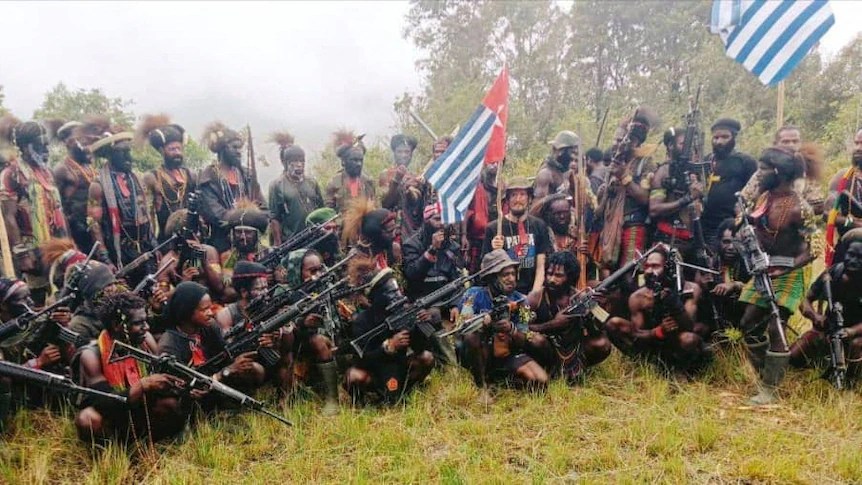
The conflict in West Papua has long been marked by violence, but in recent years, the spotlight has intensified on the West Papua National Liberation Army (TPNPB)—the armed wing of the Free Papua Movement (OPM). Despite presenting itself as a liberation force, the TPNPB is increasingly recognized for brutal tactics, including attacks on civilians, massacres, kidnappings, and the destruction of vital infrastructure. This article examines the TPNPB’s record of armed violence and human rights violations, focusing on its impact on civilians and long-term peace in Papua.
Who Are the TPNPB?
The TPNPB functions as the military arm of the OPM and operates largely through autonomous guerrilla units. Leaders such as Egianus Kogoya and Goliath Tabuni command separate battalions that often act without centralized coordination (Wikipedia, 2024). While the group claims to fight for Papuan independence, it consistently targets civilians, teachers, health workers, and construction crews, actions which directly violate international humanitarian law.
High-Profile Massacres and Civilian Attacks
Nduga Massacre (2018): In one of the most horrific incidents, 24 construction workers were executed by TPNPB rebels, accused of being military spies. Investigations confirmed the victims were civilians (Jacobin, 2025).
Nogolait Shooting (2022): At least ten civilians, including traders and motorcycle taxi drivers, were killed by TPNPB militants in Nduga. The victims had no known military affiliation (Wikipedia, 2024).
Yahukimo Massacre (2023): Armed militants attacked a group of gold miners along the Silet River, killing 13 people with guns, machetes, and arrows. Independent investigations found no evidence to support claims that the victims were undercover soldiers (Wikipedia, 2024).
Philip Mehrtens Hostage Crisis (2023–2024): New Zealand pilot Philip Mehrtens was abducted and held for over a year. His captivity was repeatedly exploited for media leverage and political demands (The Guardian, 2024).
Widespread Human Rights Abuses
The TPNPB has extended its violence beyond high-profile attacks:
- Villagers are frequently threatened and forcibly recruited, or face retaliation for supporting state development projects (Human Rights Monitor, 2025).
- In several cases, schools have been torched and teachers targeted, undermining education for thousands of children (Human Rights Watch, 2025).
- Health clinics and government buildings have also been attacked or burned, denying remote communities access to essential services (Human Rights Monitor, 2025).
Humanitarian Crisis and Mass Displacement
The intensifying violence has caused massive internal displacement. ACAPS and other humanitarian monitors report that over 100,000 Papuans have been forced to flee their homes since 2018 (ReliefWeb, 2024). In districts like Intan Jaya, Nduga, and Yahukimo, families have taken shelter in forests, churches, and emergency camps with limited access to food or medical aid (Human Rights Monitor, 2025).
The ongoing violence not only uproots communities but destroys cultural heritage and severs tribal ties to ancestral lands, deepening trauma and resentment (HRW, 2025).
Civilian Infrastructure and Development Disrupted
TPNPB’s campaign includes the deliberate targeting of development projects, especially infrastructure meant to connect remote areas. Roads, airstrips, and government offices have been bombed or burned, delaying vital transportation and communications development (Human Rights Monitor, 2025).
Education and healthcare systems have been severely affected. Hundreds of teachers have been evacuated due to threats, and some districts have gone without formal schooling for years. Pregnant women and the elderly in isolated villages face increasing mortality rates as medical teams flee rebel zones (HRW, 2025).
Escalation of Conflict and Government Response
In 2024 and early 2025, the Indonesian military escalated counterinsurgency efforts. Air raids, drone surveillance, and rapid deployment teams have increased in separatist strongholds (Human Rights Monitor, 2025). However, these operations often inflict collateral damage, including the destruction of civilian homes and religious sites.
TPNPB uses these events to fuel further evil propaganda, while civilians find themselves caught between two forces—with no reliable access to justice or protection (Human Rights Monitor, 2025).
Culture of Impunity
Neither the TPNPB nor some Indonesian security forces have faced adequate legal consequences for human rights violations. While Indonesia has banned the TPNPB as a terrorist group, few of its commanders have been apprehended or prosecuted. Victims’ families often receive reparations or justice for compensation (Reuters, 2024).
Meanwhile, Indonesian military actions have also been criticized for excessive use of force. Though the state claims to target militants, civilians often bear the brunt of both attacks and the prolonged conflict (Human Rights Watch, 2025).
International Observers Call for Accountability
Human rights organizations like Human Rights Watch and Human Rights Monitor have repeatedly called for independent investigations into abuses by both sides. They urge the Indonesian government to grant access to humanitarian workers and journalists in conflict zones (Human Rights Watch, 2025).
Despite these appeals, limited access to West Papua remain obstacles to accurate reporting. International pressure continues to mount for transparency and conflict resolution based on human rights principles (UNHRC, 2025).
It appears that the Government of Indonesia may have its own rationale for restricting access for foreign observers, potentially due to the perceived hidden agendas of certain observers who are deliberately exacerbating the conflict by providing support to the separatist movement in West Papua.
The Impact on Indigenous Communities
Papuan Indigenous communities are disproportionately affected. Majority reject both the TPNPB’s violent methods and the militarized government response. They call for demilitarization, cultural protection, and inclusive dialogue (Human Rights Monitor, 2025).
The current conflict has eroded tribal governance, hindered rituals, and silenced traditional voices. Papuan leaders who seek peace are often targeted by rebels or sidelined by the state, leaving a vacuum in local representation (Jacobin, 2025).
Conclusion: Brutality Undermines Freedom
The TPNPB claims to fight for freedom—but their actions increasingly undermine the very people they claim to protect. Massacres, hostage crises, and infrastructure sabotage have inflicted severe suffering on civilians. Their tactics have delegitimized peaceful advocacy and prolonged West Papua’s suffering.
If lasting peace is to be achieved, both separatists and the state must be held accountable. Justice, humanitarian access, and reconciliation—not brutality—must be the way forward.
References
- Human Rights Watch. (2025). Indonesia: Renewed fighting threatens West Papua civilians. https://hrw.org
- Human Rights Monitor. (2025). Quarterly Conflict Report – Q1 2025. https://humanrightsmonitor.org
- The Guardian. (2024, Sept 21). Captive New Zealand pilot Phillip Mehrtens freed in West Papua. https://theguardian.com
- Wikipedia. (2024). West Papua National Liberation Army. https://en.wikipedia.org
- Jacobin Magazine. (2025). Papua at War: Inside Indonesia’s Forgotten Conflict. https://jacobin.com
- ReliefWeb. (2024). ACAPS Thematic Report: Humanitarian Displacement in Papua. https://reliefweb.int
- Reuters. (2024). UN rights panel raises concern over extrajudicial killings in Papua. https://reuters.com
Categories

West Papua View All
This Blog has gone through many obstacles and attacks from violent Free West Papua separatist supporters and ultra nationalist Indonesian since 2007. However, it has remained throughout a time devouring thoughts of how to bring peace to Papua and West Papua provinces of Indonesia.
 WEST PAPUA
Heartwarming story—keep it up!
Super narrative.
Engaging optimism.
Inspiring facts.
Love the win.
Fantastic uplift.
. Fab article! Real progress spotlighted.
Wonderful community spotlight.
The complex and challenging challenges demand that the journey to a New Papua begins with the determination and courage of both parties to break down the “thick walls” that hinder relations between Jakarta and Papua.
Sitting together or negotiating, which in this study is called dialogue, is the most effective way to end antagonistic political relationships and turn them into cooperative ones.
Very brutal and miserable for the people