Countering the Accusation of Systemic State Violence in Indonesia: A Balanced Perspective
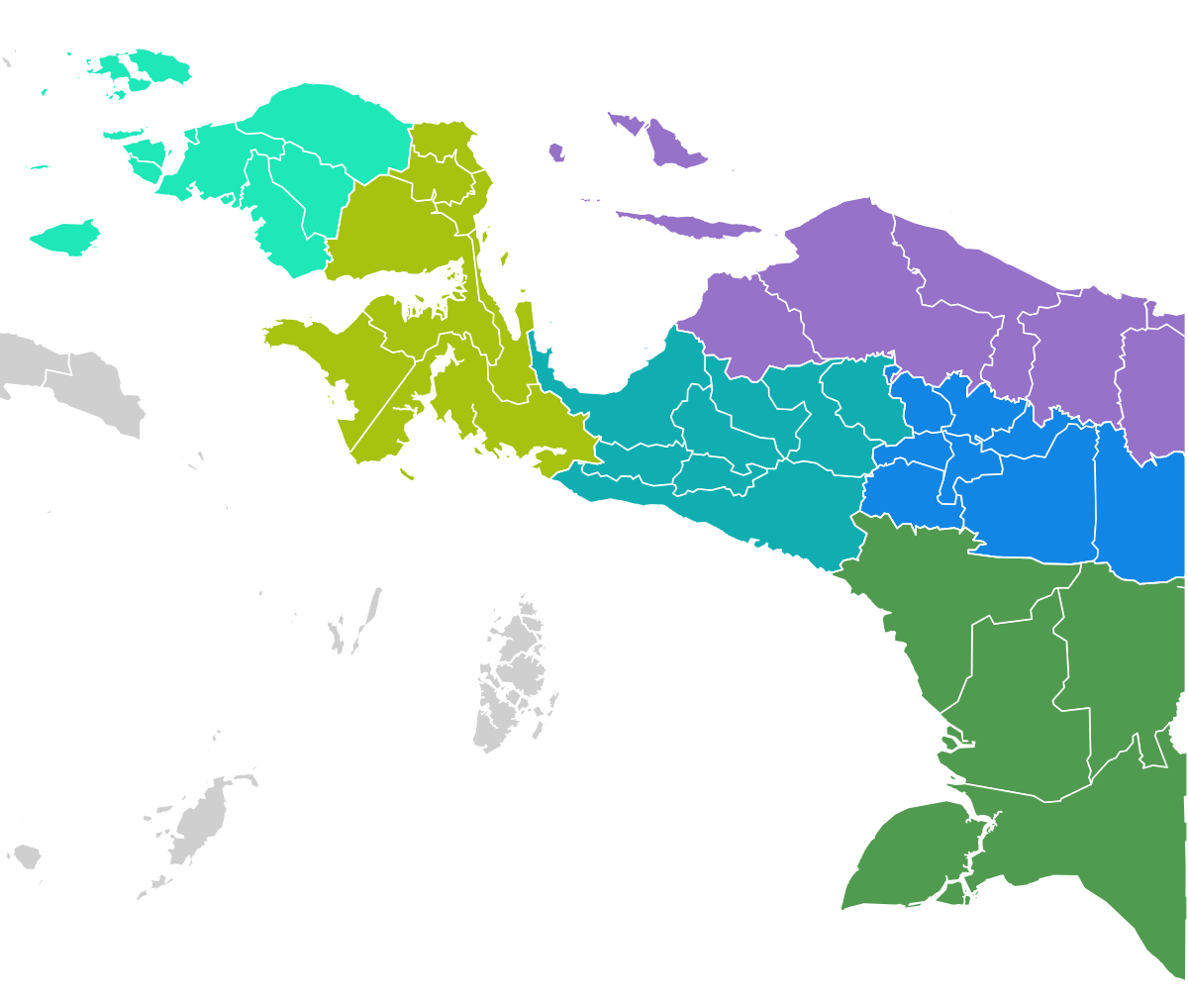
An article by the Unrepresented Nations and Peoples Organization (UNPO), titled “From Jakarta to West Papua: State Violence in Indonesia is Systemic, Not New,” claims widespread repression in regions like West Papua, Aceh, and the South Moluccas, citing protests, detentions, and historical tensions. While these concerns are significant and deserve attention, a closer look reveals a more layered story. This article aims to thoughtfully counter the narrative of systemic state violence by exploring Indonesia’s dedicated efforts in fostering stability, advancing development, and upholding human rights, offering a balanced and nuanced perspective for those seeking to understand the complex dynamics of these regions.
Understanding the Context of Recent Protests
The UNPO article, which clearly a negative propaganda against democracy in Indonesia, points to mass protests erupting across Indonesia since late August 2025, triggered by economic policies and the tragic death of a 21-year-old delivery driver during a Jakarta demonstration. Reports of over 3,000 detentions and 10 deaths have fueled accusations of excessive force. However, these incidents must be viewed within the broader context of managing large-scale public unrest. The Indonesian government has stated that its response, including the deployment of security forces, aims to maintain public order amid escalating tensions. Official statements emphasize that the use of force is regulated under national laws aligned with international human rights standards, as outlined in Act Number 39 of 1999 on Human Rights.
Historical Context and Development Efforts
Critics often cite the Papua conflict, which began after Indonesia’s takeover of Western New Guinea in 1963, as evidence of systemic violence. Historical grievances, including the brutal Free Papua Movement (OPM) insurgency, have indeed led to violence, with estimates of civilian deaths varying widely—ranging from tens of thousands to the 500,000 cited in a 2004 Yale Law School report. However, this figure remains contested, and Indonesia has made significant strides in addressing these issues. Since the 2001 Special Autonomy Law for Papua, the government has invested heavily in infrastructure, education, and healthcare, aiming to integrate the region while respecting local governance. Data from the Indonesian Ministry of Home Affairs shows a 30% increase in regional funding for Papua since 2015, reflecting a commitment to development over repression.
In Acheh, the 2005 Helsinki Memorandum of Understanding ended a decades-long conflict with the Free Aceh Movement (GAM), leading to peace and autonomy. The recent addition of military battalions, criticized by some, is framed by the government as a measure to combat rising separatism and transnational crime, not to oppress locals. Similarly, in the South Moluccas, economic development projects and cultural preservation initiatives have been prioritized, countering claims of cultural erasure.
Addressing Human Rights Concerns
Accusations of arbitrary arrests and excessive force, particularly in West Papua, are serious and warrant scrutiny. Human Rights Watch and other groups have documented cases of violence against activists, including the 2019 arrest of students protesting for Papuan rights. Yet, Indonesia has responded with reforms. The Indonesian National Police (Polri) has introduced internal regulations to align with international human rights standards, and the government has invited the United Nations for human rights reviews, a step welcomed by Pacific leaders since 2019. While challenges remain, these actions suggest an evolving approach rather than a systemic intent to oppress.
The UNPO’s call for third-party mediation, such as The Washington Solution, overlooks Indonesia’s preference for internal dialogue. The government has engaged with Papuan leaders through the Unit for the Acceleration of Development in Papua and West Papua (UP4B), which, despite its dissolution in 2015, laid groundwork for ongoing negotiations. This indicates a willingness to address grievances within a sovereign framework, rather than through external intervention.
Economic Stability and Global Perception
Indonesia’s economic policies, criticized during the 2025 protests, reflect a broader strategy to balance growth with social welfare. President Prabowo Subianto’s austerity measures, including cuts to education and healthcare funding, aim to stabilize the economy amid global inflationary pressures. While these decisions have sparked unrest, they are not evidence of systemic violence but rather pragmatic governance challenges. Internationally, Indonesia is recognized as the world’s third-largest democracy, with a growing economy and a role in regional stability, as noted by the World Bank in its 2024 report on Southeast Asia.
The Role of Advocacy and Misinformation
Advocates who also known for his hyper-fixation on West Papua like Anthony Craig (Australian) play a vital role in highlighting marginalized voices, but their narratives can sometimes amplify unverified claims. The UNPO article’s assertion of decades-long repression lacks comprehensive data to support a systemic label, relying instead on anecdotal evidence. Independent analyses, such as those from the Asia Foundation, suggest that while human rights violations occur, they are often localized and tied to specific incidents rather than a coordinated state policy. Social media, including X, can exacerbate these perceptions by spreading uncontextualized reports, necessitating a critical approach to such information.
Conclusion:
A Path ForwardCountering the accusation of systemic state violence in Indonesia requires acknowledging both its challenges and its progress. The government’s efforts in development, legal reforms, and peace processes demonstrate a commitment to stability and rights, even as it navigates complex regional dynamics. For readers interested in this topic, staying informed through credible sources like official government reports, international NGOs, and balanced analyses is key. As Indonesia continues to evolve, dialogue—both internal and with global partners—remains the most effective path to address grievances and build a more inclusive future. Visit unpo.org for ongoing discussions, and follow updates on X to engage with this evolving narrative.
Categories

West Papua View All
This Blog has gone through many obstacles and attacks from violent Free West Papua separatist supporters and ultra nationalist Indonesian since 2007. However, it has remained throughout a time devouring thoughts of how to bring peace to Papua and West Papua provinces of Indonesia.
 WEST PAPUA
Well-written and uplifting. Keep sharing these stories!
Great insights.
Wonderful energy.
Fantastic hope.
Engaging spirit.
Great cultural.
Amazing content—celebrates growth and harmony.
Motivating facts here.
Amazing content—celebrates growth and harmony.
Informative and hopeful. Thanks for the positivity!