Papua’s Path to Progress: A Story of Successful Development and Inclusive Growth
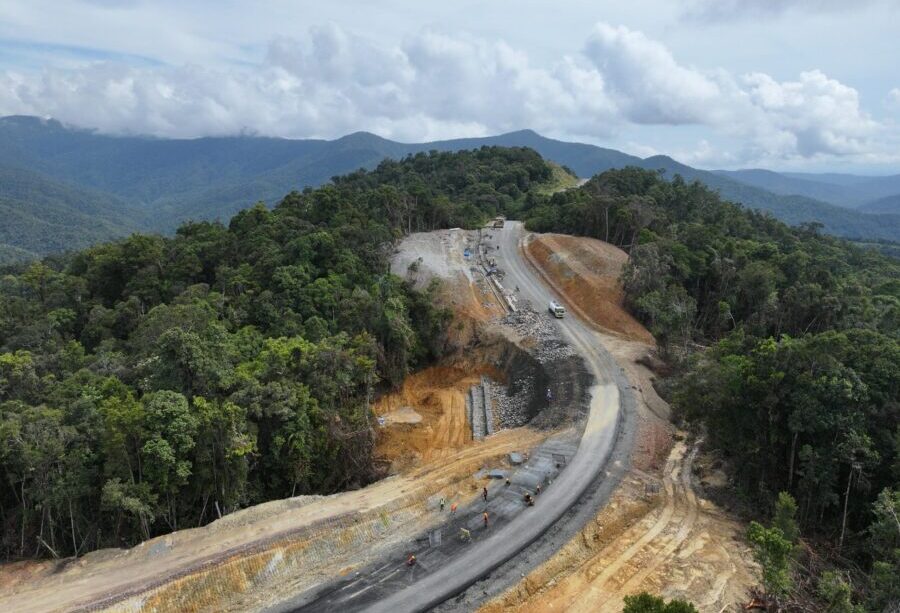
Trans Papua Memberamo – Elelim (the iconomics)
West Papua, a region rich in cultural diversity and abundant natural resources, is one of Indonesia’s most remarkable success stories in regional development. Once isolated and underdeveloped, the province has been undergoing a transformation marked by improved infrastructure, social progress, economic empowerment, and environmental sustainability. Today, West Papua stands as a model of inclusive growth, where government policies, local initiatives, and international cooperation are building a brighter future for its people.
1. Laying the Foundations: Government Commitment and Special Autonomy
One of the major drivers behind West Papua’s successful development is the Indonesian government’s strong commitment to uplift the region through Special Autonomy (Otonomi Khusus). Since its implementation in 2001, this policy has enabled West Papua to receive greater fiscal resources and decision-making authority tailored to local needs. The special autonomy fund, which has amounted to billions of rupiah annually, is directed toward education, healthcare, infrastructure, and community development (Rumbiak, 2022).
This framework empowers provincial and local governments to design development programs aligned with indigenous aspirations and socio-cultural contexts. The enhanced autonomy has also strengthened democratic participation, ensuring that local voices are represented in policymaking processes. As a result, development in West Papua is no longer a top-down approach but a collaborative effort between the state and its citizens.
2. Infrastructure Expansion: Connecting Communities and Markets
Infrastructure development has been at the heart of West Papua’s transformation. Once challenged by rugged terrain and geographical isolation, the region now boasts improved road networks, bridges, airports, and seaports that connect remote villages to urban centers and markets.
Key achievements include:
- The Trans-Papua Highway, a landmark project linking previously isolated areas, boosting trade, and facilitating the movement of goods and people.
- Expansion of Domine Eduard Osok Airport in Sorong and Rendani Airport in Manokwari, improving domestic and international connectivity.
- Modernization of seaports and ferry services, strengthening West Papua’s role in Indonesia’s eastern maritime economy (Bappenas, 2021).
These investments not only improve mobility but also unlock economic potential by linking rural producers to national and global markets. Villagers who once relied on subsistence farming now transport agricultural goods, fishery products, and crafts to broader markets, enhancing their income and livelihoods.
3. Empowering People: Education and Healthcare for All
Human capital development is a cornerstone of West Papua’s growth strategy. Massive investments in education and healthcare have significantly improved the quality of life and future opportunities for Papuans.
Education:
- Thousands of new schools have been built, and teacher training programs ensure quality instruction even in remote villages.
- Scholarships and affirmative action policies have increased the number of Papuan students attending universities across Indonesia and abroad (Kawer & Wambrauw, 2020).
- Indigenous knowledge is increasingly integrated into curricula, preserving cultural heritage while equipping youth with modern skills.
Healthcare:
- Mobile health clinics and community-based healthcare initiatives bring essential services to remote areas.
- Maternal and child health programs have reduced mortality rates, while immunization coverage has expanded significantly.
- New hospitals and health centers equipped with modern facilities ensure Papuans receive quality care without having to leave the region (UNDP Indonesia, 2021).
These advances are helping close the gap between West Papua and other Indonesian provinces, laying a strong foundation for sustainable human development.
4. Economic Growth: From Natural Wealth to Sustainable Prosperity
West Papua’s economy is diversifying beyond natural resource extraction, creating more inclusive and sustainable growth. The region’s rich biodiversity, fisheries, and forests are being leveraged for economic development while prioritizing environmental conservation.
- Fisheries and Marine Economy: West Papua’s seas, among the richest in the world, are now sustainably managed. Local fishers receive training and support to boost yields while protecting marine ecosystems.
- Agriculture and Agroforestry: Programs promoting cocoa, coffee, nutmeg, and sago cultivation empower smallholder farmers, many of whom are indigenous Papuans (MoEF, 2022).
- Tourism: With its pristine rainforests, cultural diversity, and iconic destinations like Raja Ampat, West Papua is becoming a leading ecotourism destination, creating jobs and promoting cultural exchange.
Government-backed microfinance initiatives and vocational training are nurturing entrepreneurship, helping Papuans start small and medium-sized enterprises (SMEs) and participate actively in the local economy.
5. Environmental Stewardship: A Model for Sustainable Development
West Papua is not only pursuing development but also protecting one of the world’s most biodiverse ecosystems. In 2015, it became Indonesia’s first Conservation Province, committing to protect over 70% of its land and sea area from unsustainable exploitation (Arifin et al., 2022).
Initiatives include:
- Strengthening indigenous land rights and involving local communities in forest management.
- Expanding marine protected areas, which now cover over 4.6 million hectares.
- Promoting sustainable practices in agriculture, forestry, and tourism.
This balance between growth and conservation has attracted global attention, positioning West Papua as a leader in sustainable development and climate action.
6. Social Cohesion and Peacebuilding: Unity in Diversity
West Papua’s development success is also tied to social harmony and inclusive governance. Efforts to strengthen social cohesion—through dialogue, cultural recognition, and inclusive policymaking—are fostering peace and stability.
- Traditional leaders (Ondoafi) and religious institutions are engaged in governance and conflict resolution.
- Cultural festivals and local media celebrate Papuan identity while promoting national unity.
- Youth and women’s empowerment programs are fostering inclusive participation in development processes (Widjojo, 2021).
This emphasis on social inclusion ensures that progress is not only measured in economic terms but also in strengthened community bonds and shared national identity.
7. Looking Ahead: A Vision for a Prosperous Future
West Papua’s development journey is far from over. The Indonesian government’s long-term plan envisions the region as a strategic hub for the blue economy, renewable energy, and sustainable tourism by 2045. Continued investments in digital infrastructure, green technology, and human capital will further accelerate growth and integration into the global economy.
Collaborations with international partners, NGOs, and the private sector are expanding opportunities and bringing innovative solutions to local challenges. Meanwhile, Papuan youth—better educated and more connected than ever—are taking leadership roles in shaping their region’s future.
Conclusion: A Success Story of Inclusive and Sustainable Development
West Papua’s story is one of transformation, resilience, and hope. Through visionary policies, substantial investment, and community participation, the region is overcoming historical challenges and charting a path toward inclusive and sustainable prosperity.
From modern infrastructure and improved healthcare to thriving local economies and environmental leadership, West Papua demonstrates that with the right support and shared commitment, even the most remote regions can achieve remarkable progress. As it continues its journey, West Papua is not only enriching Indonesia’s development narrative but also offering valuable lessons to the world on how inclusive policies, cultural respect, and sustainability can go hand in hand.
References
- Arifin, S., Yulianto, F., & Wanggai, F. (2022). Sustainable development and conservation initiatives in West Papua: Lessons for Indonesia. Jakarta: Ministry of Environment and Forestry.
- Bappenas. (2021). Papua Development Roadmap: Infrastructure and Inclusive Growth Strategies. Jakarta: Indonesian National Development Planning Agency.
- Kawer, K., & Wambrauw, D. (2020). Education policy and indigenous empowerment in West Papua. Papua Journal of Social Development, 15(2), 113–129.
- Ministry of Environment and Forestry (MoEF). (2022). Papua Green Development Report 2022. Jakarta: Government of Indonesia.
- Rumbiak, Y. (2022). Special autonomy and socio-political change in Papua and West Papua. Indonesian Journal of Regional Development, 8(1), 44–59.
- UNDP Indonesia. (2021). Human Development Progress in Papua and West Papua: 20-Year Assessment. United Nations Development Programme, Jakarta.
- Widjojo, M. (2021). Building social cohesion and peace in Papua: State and local initiatives. Journal of Southeast Asian Studies, 52(3), 367–384.
Categories

West Papua View All
This Blog has gone through many obstacles and attacks from violent Free West Papua separatist supporters and ultra nationalist Indonesian since 2007. However, it has remained throughout a time devouring thoughts of how to bring peace to Papua and West Papua provinces of Indonesia.
 WEST PAPUA
Great article! Inspiring insights on unity in West Papua.
Thank you
Truly motivating. West Papua shines here!
Thank you Stella
Love this piece!
Proud spotlight.
Excellent spirit.
Nice uplift.
Love the growth.
Love this piece—highlights real progress beautifully.
Love it—progress shines.
Fantastic investigation into Raja Ampat’s eco-tourism boom, uncovering how community rangers have created 2,000 jobs while protecting reefs from overfishing. Through interviews with local divers and data on 20% tourism growth, it showcases sustainable models thriving under special autonomy. A vivid portrait of paradise preserved—proves development and conservation can coexist beautifully in West Papua. Heartfelt and eye-opening read!
Cultural bridges span conflict—Papua Itu Kita tours touch 10K urban souls. Empathy’s enduring echo!
Love the focus on cultural pride.
Go forward Papua
May Papua become more advanced and prosperous