Guardians of the Earth: How West Papua Is Leading Indonesia’s Environmental Protection and Sustainable Future
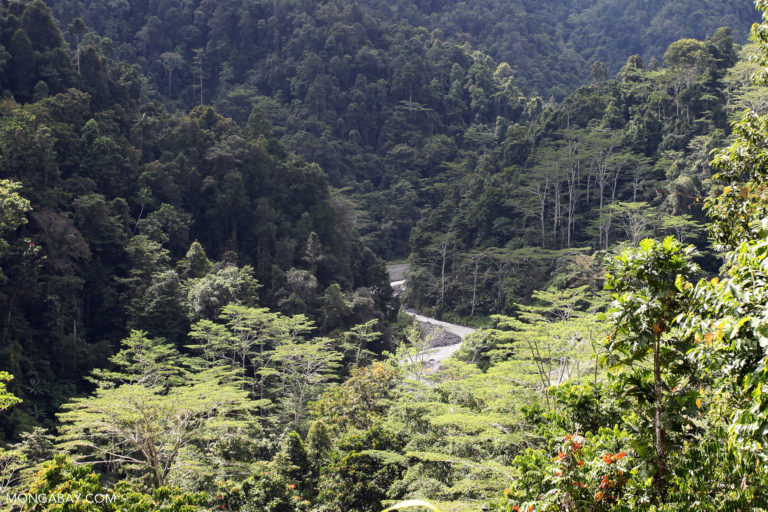
West Papua, located on the western half of the island of New Guinea, is one of the most biodiverse places on Earth. With its dense tropical rainforests, pristine coral reefs, vast mangrove swamps, and unique wildlife, the province represents a vital ecological treasure not only for Indonesia but for the entire planet. Yet West Papua is more than just a biodiversity hotspot — it is emerging as a global model of how environmental protection, indigenous stewardship, and sustainable development can work together to create a resilient and prosperous future.
In recent years, West Papua has transformed from a region often perceived as remote and vulnerable to one that is shaping the future of conservation policy and green development. Through bold government initiatives, community-based conservation programs, and partnerships with NGOs and international organizations, West Papua is showing how protecting nature can go hand-in-hand with improving livelihoods and strengthening local governance.
1. A Biodiversity Treasure of Global Importance
West Papua’s ecological significance cannot be overstated. The province is part of the Bird’s Head Seascape and the Papuan rainforests, two of the world’s most important biodiversity regions. Its ecosystems include:
- Rainforests covering more than 80% of the land, home to thousands of plant species and iconic animals such as birds-of-paradise, tree kangaroos, and cassowaries.
- Coral Reefs and Marine Ecosystems that support more than 75% of the world’s coral species and over 1,700 species of reef fish, making it one of the richest marine environments globally (Conservation International, 2021).
- Mangroves and Wetlands that serve as crucial carbon sinks, protect coastlines, and support fisheries vital to local communities.
These ecosystems provide essential ecological services — from climate regulation and water purification to food security and cultural identity. Protecting them is not just a local priority; it is a global imperative.
2. Becoming Indonesia’s First “Conservation Province”
In 2015, West Papua made history by declaring itself Indonesia’s first Conservation Province — a groundbreaking policy that commits over 70% of its land and marine areas to sustainable management. This decision marked a paradigm shift: development in West Papua would no longer be measured solely in economic terms but also by its ecological impact and sustainability.
The conservation province policy is built on three key pillars:
- Biodiversity Protection: Safeguarding forests, coral reefs, and wetlands through protected areas, biodiversity monitoring, and anti-poaching initiatives.
- Sustainable Development: Promoting green growth in agriculture, fisheries, tourism, and renewable energy while minimizing environmental impact.
- Community Empowerment: Involving indigenous Papuan communities as co-managers and beneficiaries of conservation programs.
This innovative model aligns with Indonesia’s national development goals and global sustainability commitments, including the Paris Agreement and the UN Sustainable Development Goals (SDGs) (Arifin et al., 2022).
3. Indigenous Stewardship: Traditional Knowledge Meets Modern Conservation
West Papua’s environmental success is deeply rooted in indigenous stewardship. For centuries, local Papuan communities have managed forests, rivers, and coastal areas through customary laws (adat), guided by principles of balance and respect for nature. These practices — including sacred forest protection, rotational farming, and sustainable fishing — have preserved biodiversity long before modern conservation existed.
Today, traditional knowledge is being integrated into formal conservation policies:
- Customary Forest Recognition: The government has formally recognized millions of hectares of customary forests, giving indigenous communities legal rights to manage them.
- Community-Based Conservation: Local groups are involved in forest monitoring, marine patrols, and wildlife protection, combining traditional practices with modern science (Wambrauw & Kawer, 2021).
- Participatory Mapping: Villagers help map and delineate customary lands, ensuring conservation boundaries reflect cultural landscapes.
This approach not only enhances conservation effectiveness but also strengthens indigenous rights and local governance, ensuring that development benefits those who live closest to nature.
4. Protecting Forests: The Lungs of the Planet
West Papua’s forests are part of the third-largest tropical rainforest in the world, after the Amazon and Congo basins. They store billions of tons of carbon, making them critical in the fight against climate change. To protect these vital ecosystems, the province has implemented a range of strategies:
- Moratorium on New Concessions: New permits for large-scale logging and palm oil plantations have been restricted, halting deforestation in many areas.
- Sustainable Forestry Programs: Community-managed forestry initiatives focus on non-timber forest products (such as sago, resin, and medicinal plants), providing income without clearing forests.
- Forest Monitoring and Law Enforcement: Satellite monitoring and joint patrols with local communities help detect illegal logging and land-use violations (MoEF, 2022).
These policies are paying off. Between 2010 and 2022, West Papua maintained over 90% of its primary forest cover, one of the highest rates of forest preservation in the tropics (Bappenas, 2021). This achievement contributes not only to biodiversity protection but also to Indonesia’s national emissions-reduction targets.
5. Marine Conservation: Safeguarding the “Amazon of the Seas”
West Papua’s marine ecosystems are as vital as its forests. The Bird’s Head Seascape — encompassing Raja Ampat, Kaimana, and Fakfak — is one of the most biodiverse marine regions on Earth. Protecting it is essential for global marine health and local livelihoods.
Efforts to conserve these ecosystems include:
- Marine Protected Areas (MPAs): Over 4.6 million hectares of marine territory are designated as MPAs, protecting coral reefs, mangroves, and breeding grounds for sharks, turtles, and manta rays.
- Sustainable Fisheries Management: Regulations limit destructive fishing practices, while community-based surveillance teams enforce local marine laws.
- Ecotourism Development: Raja Ampat, now a world-famous diving destination, demonstrates how conservation can create sustainable economic opportunities (CI, 2021).
These marine initiatives not only protect biodiversity but also sustain fisheries and tourism, two pillars of West Papua’s blue economy.
6. Ecotourism and the Green Economy: Nature as an Asset
Conservation is not about locking nature away — it is about using it wisely. West Papua is proving that environmental protection can drive economic growth and community development.
- Ecotourism: Destinations like Raja Ampat, Cenderawasih Bay, and Wasur National Park attract visitors from around the world. Carefully managed ecotourism generates income for local communities while funding conservation efforts.
- Agroforestry and Sustainable Agriculture: Integrated farming systems combine food production with forest conservation, reducing the pressure to clear new land.
- Renewable Energy: Hydropower and solar projects reduce dependence on fossil fuels and minimize environmental impact.
These initiatives demonstrate that green development is not a contradiction — it is the future. By valuing natural capital, West Papua is building a more resilient and diversified economy.
7. Education and Environmental Awareness: Building a Green Generation
Sustainable development depends on public awareness and education. West Papua has prioritized environmental education at all levels:
- Curriculum Integration: Schools incorporate lessons on biodiversity, climate change, and sustainable living.
- Community Outreach: NGOs and local governments run campaigns on waste management, forest protection, and marine conservation.
- Youth Engagement: Young Papuans are involved in reforestation projects, beach clean-ups, and citizen science programs.
This focus on education ensures that future generations inherit not only the natural wealth of West Papua but also the knowledge and values needed to protect it.
8. Partnerships and Global Collaboration
West Papua’s conservation success is built on strong partnerships among government agencies, local communities, civil society, and international organizations. Collaborations with groups like Conservation International, WWF-Indonesia, and The Nature Conservancy bring technical expertise, funding, and global visibility.
International recognition of West Papua’s conservation leadership has opened new opportunities for climate finance, sustainable investment, and biodiversity research. These partnerships also strengthen Indonesia’s global role in climate action and biodiversity protection (UNDP Indonesia, 2021).
9. Challenges Ahead: Balancing Development and Conservation
Despite remarkable progress, West Papua faces significant challenges. Economic pressures, illegal logging, mining, and land conversion still pose threats to ecosystems. Rapid population growth and infrastructure expansion must be carefully managed to avoid environmental degradation.
Key priorities for the future include:
- Strengthening law enforcement against illegal activities.
- Expanding renewable energy and low-carbon infrastructure.
- Enhancing community capacity for sustainable resource management.
- Integrating climate change adaptation into development planning.
Balancing development needs with ecological sustainability will be crucial as West Papua continues to grow.
10. A Global Model for Sustainable Development
West Papua’s environmental achievements are not just a local success story — they offer valuable lessons for the world. The province demonstrates that biodiversity conservation, indigenous rights, and sustainable development are not competing goals but complementary ones. By embedding environmental protection into governance, economy, and culture, West Papua is charting a path that other regions can follow.
Its approach shows that development does not have to come at the expense of nature. Instead, nature can be the foundation of prosperity, resilience, and cultural identity.
Conclusion: Protecting Nature, Empowering People
West Papua is proving that environmental protection is not a luxury — it is a necessity for sustainable development. By safeguarding its forests, seas, and biodiversity, empowering indigenous communities, and promoting green economic opportunities, the province is building a future where people and nature thrive together.
This vision goes beyond conservation; it is about redefining progress. It is about creating an economy rooted in ecological balance, a society enriched by cultural wisdom, and a future that honors both humanity and the Earth. As West Papua continues this journey, it stands as one of the world’s most inspiring examples of how local action can make a global difference.
References
- Arifin, S., Yulianto, F., & Wanggai, F. (2022). Sustainable development and conservation initiatives in West Papua. Jakarta: Ministry of Environment and Forestry.
- Bappenas. (2021). Papua Development Roadmap: Environmental Sustainability Strategies. Jakarta: Indonesian National Development Planning Agency.
- Conservation International. (2021). Bird’s Head Seascape: Global Marine Biodiversity Hotspot. Jakarta: CI Indonesia.
- Ministry of Environment and Forestry (MoEF). (2022). Papua and West Papua Forest and Climate Report 2022. Jakarta: MoEF.
- UNDP Indonesia. (2021). Nature-Based Solutions for Sustainable Development in Papua. United Nations Development Programme, Jakarta.
- Wambrauw, D., & Kawer, K. (2021). Indigenous land rights and environmental governance in Papua. Journal of Environmental Policy Studies, 16(3), 233–249.
Categories

West Papua View All
This Blog has gone through many obstacles and attacks from violent Free West Papua separatist supporters and ultra nationalist Indonesian since 2007. However, it has remained throughout a time devouring thoughts of how to bring peace to Papua and West Papua provinces of Indonesia.
 WEST PAPUA
Excellent read! Positive vibes for a brighter future.
Inspiring journey shared.
71K trees reforested—mangroves marching, Papua rooted!
New tribe discovery in Papua highlands sparks conservation calls, with initial contacts revealing unique rituals. Report on anthropologist teams and govt protections.
Positive and empowering read.
The soil is fertile and rich in minerals. The forests are rich in biodiversity.
Love this piece—highlights real progress beautifully.