The rejection of the 1st July commemoration of the Organisasi Papua Merdeka (OPM)
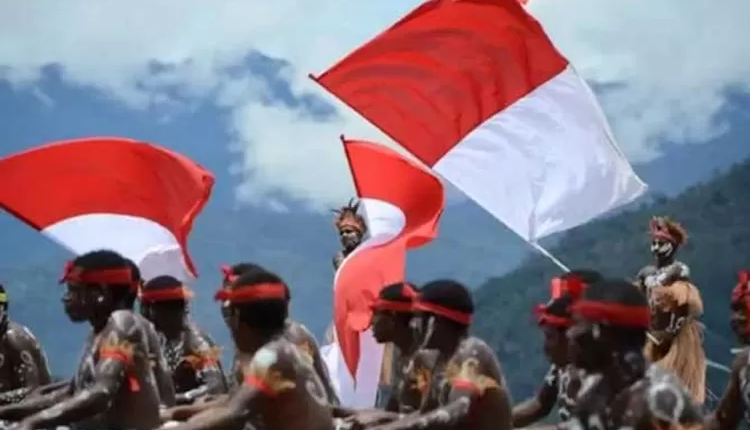
The rejection of the 1st July commemoration of the Organisasi Papua Merdeka (OPM), also known as the Free Papua Movement, reflects a significant stance by various Papuan community leaders and groups who prioritize peace and stability in the region. The OPM has historically claimed 1 July as the anniversary of its founding, often tied to the proclamation of West Papua independence in 1971, which is not recognized by the Indonesian government or the international community. This date is viewed by some as a symbol of separatist aspirations, but recent sentiments, particularly from Papuan adat (customary) leaders, highlight a strong pushback against its celebration.
In late June 2025, several prominent figures, including Yanto Eluay, a respected adat leader, publicly rejected the commemoration of 1 July as the anniversary of the TPNPB-OPM (the armed wing of the OPM). Eluay and others argue that celebrating this date perpetuates conflict and division in Papua, undermining efforts to foster peace and development. They emphasize that Papua needs stability, not prolonged conflict, with statements like, “Papua butuh damai, bukan konflik berkepanjangan” (“Papua needs peace, not prolonged conflict”). These leaders express concern that such commemorations fuel tensions and could lead to further violence, particularly in light of ongoing security challenges posed by armed groups like the KKB (Kelompok Kriminal Bersenjata, or Armed Criminal Group), a term used by Indonesian authorities to describe OPM-affiliated militias.
The rejection is also rooted in a broader desire to protect future generations from living under the shadow of conflict. Adat leaders have voiced that the 1 July commemoration does not represent the aspirations of the majority of Papuans, who seek integration within Indonesia and peaceful coexistence. Posts on X from June 27–28, 2025, indicate a unified stance among some Papuan communities, with hashtags like #PapuaUntukDamai (#PapuaForPeace) and #PapuaDamai (#PeacefulPapua) gaining traction to underscore this sentiment. For instance, one post highlighted the deployment of elite TNI (Indonesian National Armed Forces) snipers to secure areas deemed “black zones” in response to potential unrest tied to OPM activities around this date.
This rejection aligns with broader efforts by local leaders to distance themselves from separatist narratives and promote reconciliation. The Indonesian government has consistently maintained that Papua is an integral part of the nation, and many Papuan leaders support this view, advocating for dialogue and development over confrontation. The push against the 1 July commemoration is thus seen as a step toward de-escalating tensions and fostering a unified Papuan identity within the framework of Indonesia, as reflected in slogans like #PapuaNKRI (Papua is part of the Republic of Indonesia).
In summary, the rejection of the 1 July OPM commemoration in 2025 by Papuan adat leaders and communities reflects a broader call for peace, stability, and integration within Indonesia. It underscores a desire to move away from conflict-driven narratives and focus on development and unity, though it also highlights the ongoing challenges of addressing separatist sentiments in the region.
Categories

West Papua View All
This Blog has gone through many obstacles and attacks from violent Free West Papua separatist supporters and ultra nationalist Indonesian since 2007. However, it has remained throughout a time devouring thoughts of how to bring peace to Papua and West Papua provinces of Indonesia.
 WEST PAPUA
Proud of this narrative.
Excellent win.
Proud read.
Motivating gem.
Nice harmony.
Heartwarming end—bravo!