Genocide in West Papua? Separating Fact from Fiction
Introduction
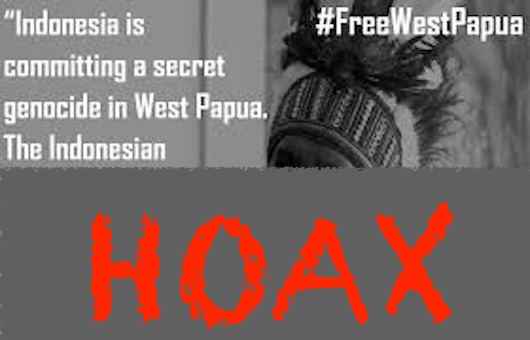
In international advocacy, words matter. Terms like “genocide” carry immense moral weight and legal consequence. Unfortunately, in the case of West Papua, the term has been widely misused and politicized by separatist movements such as the Free West Papua Campaign. Accusations of genocide are not only factually unsupported by international institutions, but they also risk trivializing actual genocides by misapplying the label in politically motivated contexts.
This article critically examines these claims and sets the record straight by highlighting what international law says, what human rights investigations have (and have not) found, and what the real challenges in Papua require in terms of solutions.
What Is Genocide? A Legal Definition
According to the 1948 UN Convention on the Prevention and Punishment of the Crime of Genocide, genocide refers to acts committed with intent to destroy, in whole or in part, a national, ethnical, racial, or religious group, such as killing, causing serious harm, or imposing conditions intended to destroy the group.
No credible UN body or international tribunal has accused Indonesia of meeting this standard in West Papua. While there are concerns about excessive use of force in certain operations and unresolved cases of abuse, these do not constitute genocide under international law.
The Role of the UN and Human Rights Bodies
The UN Office of the High Commissioner for Human Rights (OHCHR) has been engaged in calls for transparency and improved access to Papua. However, it has never issued a statement declaring a genocide. Claims made by separatist groups often rely on anecdotal evidence, unverifiable figures, and emotionally charged language, rather than the findings of independent investigations.
Organizations such as Amnesty International and Human Rights Watch have reported specific cases of violence and abuse, but again, their language focuses on accountability and reform, not genocide.
Separatist Violence and the Silencing of Other Victims
A glaring omission in many pro-separatist narratives is the violence committed by the West Papua National Liberation Army (TPNPB-OPM) and other armed groups. These groups have attacked Indonesian civilians, Papuan teachers, construction workers, and health professionals.
Recent incidents include:
- The killing of construction workers on the Trans-Papua Highway.
- The burning of schools and churches.
- Hostage-taking of Indonesian and foreign nationals.
These acts have caused fear and instability not only among non-Papuan Indonesians but also among indigenous Papuans who support integration or simply want peace and development.
Why the Genocide Claim Hurts the Real Cause
By using the term genocide, separatist movements undermine their own credibility. This type of exaggeration alienates moderate voices, weakens opportunities for international support, and detracts from genuine concerns that need to be addressed — such as inequality, underdevelopment, and justice for victims of violence on all sides.
A Call for Truth and Accountability, Not Propaganda
Indonesian democracy must be held to high standards, and cases of abuse must be investigated transparently. But the path forward is through truth, reconciliation, and reform — not misinformation and rhetorical escalation.
The government has taken steps to improve human rights conditions in Papua, including the establishment of a Human Rights Court in Jayapura, truth and reconciliation commissions, and increased involvement of local civil society in governance.
Conclusion
The accusation of genocide in West Papua is a political slogan, not a legal fact. It disrespects the victims of real genocides and distracts from actionable issues that require nuanced solutions. Human rights in Papua must be protected, but that effort must be rooted in truth, not in sensationalism. Let us build solidarity based on facts and a shared commitment to justice — for all Papuans, not just those aligned with separatist goals.
Categories
Democracy, Free Papua Movement, Uncategorized, West Papua Politics

West Papua View All
This Blog has gone through many obstacles and attacks from violent Free West Papua separatist supporters and ultra nationalist Indonesian since 2007. However, it has remained throughout a time devouring thoughts of how to bring peace to Papua and West Papua provinces of Indonesia.
 WEST PAPUA
This article is well-researched and well-structured. The arguments are clearly presented and supported by strong evidence. Thank you brother. Best wishes from West Papua, Indonesia
Excellent—peace through unity.
Wonderful narrative.
Excellent narrative.
Engaging spirit.
Heartfelt overview.
Wonderful balance.