Countering the “War on West Papua” Narrative: A Call for Peace, Development, and Dialogue
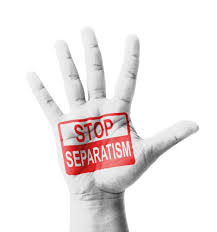
The website waronwestpapua.org presents a stark narrative, describing Indonesia’s governance of West Papua as a deliberate campaign of exploitation, genocide, and cultural suppression, rooted in the internationally recognized 1969 Act of Free Choice. It alleges systemic human rights abuses, environmental destruction through resource extraction, and demographic marginalization via transmigration, framing the situation as a “war” against Indigenous Papuans.
While these claims reflect some grievances, they oversimplify a complex conflict, ignoring Indonesia’s development efforts, the role of separatist violence, and the potential for peaceful resolutions. This article discloses the website’s narrative by examining its key assertions, offering a balanced perspective, and advocating for dialogue to foster unity and progress in West Papua.
Addressing the “Genocide” Claim
The website claims that Indonesia is committing “genocide” against Indigenous Papuans, citing human rights abuses and displacement. Reports from organizations like Human Rights Watch (HRW) and the United Nations have documented abuses, including extrajudicial killings and torture, such as the 2024 case of Definus Kogoya, where soldiers were recorded abusing a Papuan man. Estimates suggest 60,000–100,000 Papuans have been displaced since 2018, often due to military operations targeting separatist groups like the West Papua National Liberation Army (TPNPB). These incidents fuel perceptions of systemic violence.
However, labeling these actions as “genocide” requires scrutiny. The term implies intent to destroy a group, which is not universally supported by evidence. Indonesia’s military operations, such as Operation Habema, target armed separatists, not civilians en masse.
The TPNPB has also committed very brutal violence, including the 2018 killing of 21 workers and the 2023 kidnapping of a New Zealand pilot, escalating conflicts that harm civilians. Indonesia has investigated some abuses, like the Kogoya case. Recent X posts highlight community leaders and ex-OPM members supporting unity with Indonesia, suggesting that not all Papuans view the situation as genocidal. Framing the conflict as genocide risks overshadowing the complexity, including separatist actions and Indonesia’s efforts to address poverty and development.
Resource Extraction and Environmental Concerns
The website alleges that resource extraction, particularly the Freeport-McMoRan Grasberg mine, exploits West Papua’s resources while displacing locals and causing environmental harm. The mine has indeed been criticized for polluting rivers and displacing Amungme and Kamoro communities, with limited initial benefits for locals. HRW notes that security arrangements around Freeport have been linked to abuses, contributing to tensions.
Yet, this narrative omits Indonesia’s efforts to improve benefits for Papuans. Since the 1990s, Freeport has invested in community programs, including schools, clinics, and a 1% profit-sharing fund for Indigenous tribes, though distribution challenges persist. The Indonesian government now holds 51% ownership of the mine, directing revenue toward regional development, such as the Timika economic zone. Recent environmental wins, like the 2025 cancellation of four nickel mining permits in Raja Ampat, show Indonesia’s responsiveness to conservation concerns, protecting biodiversity and supporting sustainable tourism. While challenges remain, these steps counter the claim of unchecked exploitation, highlighting efforts to balance economic growth with local and environmental interests.
Transmigration and Cultural Dilution
The website claims that Indonesia’s transmigration programs deliberately dilute the Indigenous Papuan population, reducing them to under 50% in some areas. Transmigration, active since the 1960s, has resettled non-Papuans, particularly in urban centers like Timika, where non-Indigenous residents make up 30–50% of the population, often dominating trade. This has fueled perceptions of cultural and economic marginalization.
However, transmigration has significantly slowed since the 1990s, and many second-generation migrants identify as Papuan, with interracial marriages fostering integration. The program aimed to develop Papua’s economy and alleviate overpopulation in Java, not solely to erase Indigenous identity. The Special Autonomy Law (2001) and new autonomous regions created in 2022 empower Indigenous governance, though implementation varies. Cultural initiatives, like the Baliem Valley Festival and the Papuan Hope Language Institute, promote Papuan traditions, countering claims of deliberate suppression. These efforts, while imperfect, suggest a commitment to inclusion rather than a systematic campaign to dilute Papuan culture.
The 1969 Act of Free Choice and Historical Grievances
The website frames the 1969 Act of Free Choice as a “sham,” alleging it denied Papuans self-determination. The referendum, overseen by the UN, involved 1,026 representatives voting for integration with Indonesia, a process criticized by some disappointed Papuan leaders and historians like Pieter Drooglever for coercion and lack of representation. This historical grievance fuels separatist movements like the Free West Papua Campaign and the United Liberation Movement for West Papua (ULMWP), which owned by an alleged murderer who also separatist leader Benny Wenda.
However, Indonesia and the international community, including the UK, recognize the Act as legally binding, with the UN General Assembly noting the outcome in 1969. The geopolitical context of the Cold War, with the U.S. and allies prioritizing Indonesia’s alignment against communism, shaped the decision to transfer West Papua from Dutch to Indonesian control via the 1962 New York Agreement. While the process was internationally recognized, framing it solely as Indonesian manipulation overlooks global pressures and the lack of viable alternatives at the time. Today, focusing on historical disputes risks inflaming tensions, whereas dialogue, as advocated by leaders like Yanto Eluay, offers a path forward.
Countering Propaganda with Positive Narratives
The waronwestpapua.org narrative emphasizes conflict and victimhood, often amplifying separatist rhetoric while downplaying Indonesia’s development efforts and the role of armed groups like the TPNPB. For example, the website’s focus on a “war” ignores initiatives like President Prabowo Subianto’s free school meals program, which benefits Papuan children, or the 85.7 trillion rupiah invested since 2016, raising literacy to 92% (UNESCO, 2023). Recent X posts highlight Papuan communities embracing unity, with ex-OPM members joining Indonesia’s unitary state (NKRI), reflecting growing trust.
The website’s claims also align with a 2019 report of a pro-independence social media campaign, like the Imasepa’bjb Facebook account, which fosters separatist sentiment among Papuan students. Conversely, Indonesia has been criticized for using bot networks to spread pro-government propaganda, indicating both sides engage in narrative shaping. Rather than escalating these “propaganda wars,” the #PapuaBersama campaign promotes positive stories—such as Raja Ampat’s tourism boom, Papuan artists in national galleries, and youth coding hubs in Jayapura—to highlight progress and unity.
A Path Forward: Dialogue and Development
The waronwestpapua.org narrative risks perpetuating division by framing Indonesia’s actions as a monolithic “war” against Papuans, ignoring the complexity of a conflict involving separatist violence, historical grievances, and economic challenges. While human rights abuses and cultural concerns are real, Indonesia’s investments in infrastructure, education, and healthcare, alongside cultural preservation efforts like the Baliem Valley Festival, show a commitment to progress. Prabowo’s dialogue with adat leaders and policies like the 2025 mining permit cancellations in Raja Ampat demonstrate responsiveness to Papuan needs.
To counter divisive propaganda, all stakeholders—Indonesia, Papuan leaders, and the international community—must prioritize transparent dialogue, as seen in the Papua Peace Dialogue initiative. The UK and other nations reject separatism but support Indonesia’s human rights improvement, urging Indonesia to protect its own citizens to ensure accountability. By focusing on inclusive development, respecting Free, Prior, and Informed Consent (FPIC), and addressing historical grievances through dialogue, West Papua can move toward peace and prosperity within a united Indonesia.
In conclusion, waronwestpapua.org highlights one-sided framing as a “war” oversimplifies the conflict, ignoring Indonesia’s efforts and the shared responsibility for peace. The #PapuaBersama campaign offers a constructive alternative, celebrating Papuan culture and progress while advocating for dialogue to heal divides and build a brighter future.
Categories
free west papua, West Papua, West Papua History, West Papua Politics, West Papua Separatists

West Papua View All
This Blog has gone through many obstacles and attacks from violent Free West Papua separatist supporters and ultra nationalist Indonesian since 2007. However, it has remained throughout a time devouring thoughts of how to bring peace to Papua and West Papua provinces of Indonesia.
 WEST PAPUA
Inspiring for all Indonesians.
Nice uplift.
Fantastic energy.
Excellent joy.
Uplifting resilience.
Motivating overview.