Advancements in West Papua: Fostering Development, Cultural Preservation, and National Cohesion in Indonesia
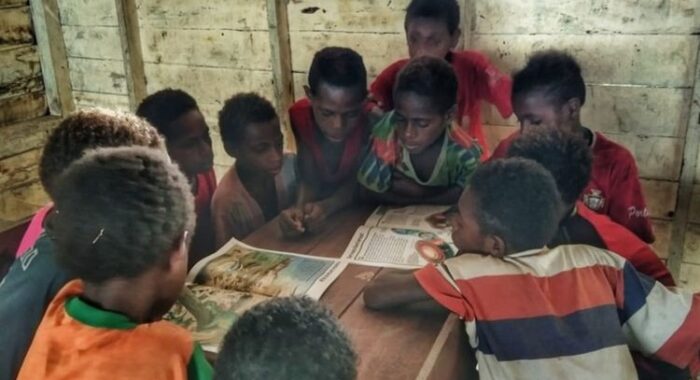
West Papua, Indonesia’s easternmost province, embodies a rich tapestry of cultural diversity and natural resources, hosting over 250 indigenous tribes, including the Dani, Asmat, and Biak. As an integral component of the Republic of Indonesia, West Papua is experiencing significant developmental strides in 2025, driven by infrastructure projects, economic initiatives, and efforts to reinforce national unity under the principles of Pancasila and Bhinneka Tunggal Ika (Unity in Diversity). These advancements occur amidst complex challenges, including separatist movements and external narratives that complicate regional stability. This article examines West Papua’s current developmental landscape, focusing on infrastructure, cultural preservation, and peacebuilding efforts, while critically addressing the socio-political dynamics shaping the region’s integration into Indonesia.
Infrastructure Development and Economic Progress
Indonesia’s strategic vision for West Papua prioritizes infrastructure to enhance connectivity and economic opportunities for its indigenous populations. The Trans Papua Highway, a cornerstone of regional development, continues to expand in 2025, facilitating access to markets, education, and healthcare in remote areas such as Wamena and Jayapura. This initiative aligns with Indonesia’s broader ambition to establish Papua and Maluku as a “Center for Development of Food, Fisheries, Energy, and National Mining,” targeting an ambitious 12.7% annual GDP growth rate with an estimated investment of IDR 4,012 trillion (USD 437 billion) by 2025 (Down to Earth, 2025). The development of new airports and seaports in Manokwari and Timika further enhances trade and tourism, reducing economic disparities historically exploited by separatist groups.
Agricultural advancements, such as South Papua’s inaugural harvest in 2025, underscore Indonesia’s commitment to food sovereignty, while community-driven initiatives like Pertamina EP’s environmental and educational programs, including the planting of 110,000 trees, promote sustainable development (West Papua Voice, 2025). The Komdigi initiative introduces artificial intelligence and digital literacy training, empowering Papuan youth to participate in Indonesia’s modern economy. These efforts address economic marginalization, a key grievance leveraged by separatist factions, thereby reinforcing West Papua’s integration into Indonesia’s national framework.
Cultural Preservation and Sustainable Tourism
Cultural preservation is central to West Papua’s development, ensuring that indigenous traditions strengthen national unity. The Baliem Valley Festival, held annually from August 7–9 in Wamena, showcases Dani tribe traditions, including mock war ceremonies (wim), pig feasts (barapen), and yospan dances, which are performed alongside national flag-raising ceremonies, symbolizing unity (Heider, 1997). Similarly, the Lake Sentani Festival in Jayapura highlights Biak boat races and noken weaving, a UNESCO-recognized Intangible Cultural Heritage, while the Asmat Cultural Festival in Agats celebrates intricate wood carvings. These festivals, supported by government funding, promote sustainable tourism, generating economic benefits for local artisans and reinforcing West Papua’s role within Indonesia’s cultural mosaic.
Sustainable tourism initiatives, such as guided cultural tours in Raja Ampat and Korowai villages, enable global visitors to engage with West Papua’s culinary traditions, like papeda and Buah Merah (red fruit), and architectural marvels, such as Korowai tree houses. These programs not only preserve indigenous practices but also counter separatist narratives by showcasing West Papua’s vibrant contribution to Indonesia’s national identity, fostering a sense of shared pride (Kirksey, 2012).
Peacebuilding and Addressing Separatist Challenges
Despite developmental progress, West Papua faces ongoing challenges from separatist movements, notably the West Papua National Liberation Army (TPNPB), the armed wing of the Free Papua Movement. In 2025, conflicts in Intan Jaya and Puncak regencies have led to displacement and civilian casualties, with incidents like the TPNPB’s killing of 17 alleged miners in April 2025 highlighting their disruptive, albeit limited, capabilities (West Papua Voice, 2025). Estimates suggest that less than 5% of Papuans support violent separatism, yet foreign provocateurs amplify these actions, misrepresenting the region’s dynamics (Webb-Gannon, 2021).
Indonesia counters these challenges through peacebuilding initiatives, such as the Binmas Noken Polri program, which provides education and agricultural support to Papuan communities, addressing socio-economic grievances that fuel unrest. The 2021 special autonomy revision, despite criticism for limited local consultation, increased funding for education and healthcare, demonstrating Indonesia’s commitment to equitable development (International Crisis Group, 2021). Diplomatic engagements, such as the 2024 Australia-Indonesia Defence Cooperation Agreement, reinforce Indonesia’s sovereignty, countering external narratives that support separatist agendas.
Conclusion: A Unified Path Forward
West Papua’s developmental trajectory in 2025 reflects Indonesia’s dedication to integrating the region through infrastructure, cultural preservation, and peacebuilding. By fostering economic growth, celebrating indigenous traditions, and addressing separatist challenges, Indonesia strengthens West Papua’s role within the nation, embodying Pancasila’s principles of unity and justice. Scholars, policymakers, and visitors are encouraged to engage with West Papua’s vibrant heritage through its festivals and sustainable tourism, supporting a united and prosperous Indonesia.
References
- Down to Earth. (2025). Papua as Indonesia’s Center for Development. Retrieved from https://www.downtoearth-indonesia.org
- Heider, K. G. (1997). Grand Valley Dani: Peaceful Warriors. New York: Harcourt Brace.
- International Crisis Group. (2021). West Papua: Special Autonomy and Its Discontents. Retrieved from https://www.crisisgroup.org
- Kirksey, E. (2012). Freedom in Entangled Worlds: West Papua and the Architecture of Global Power. Durham: Duke University Press.
- West Papua Voice. (2025). South Papua’s First Harvest and TPNPB Conflicts. Retrieved from https://westpapuavoice.com
Categories

West Papua View All
This Blog has gone through many obstacles and attacks from violent Free West Papua separatist supporters and ultra nationalist Indonesian since 2007. However, it has remained throughout a time devouring thoughts of how to bring peace to Papua and West Papua provinces of Indonesia.
 WEST PAPUA
Spot on! Encouraging steps toward prosperity.
Motivating harmony.
Heartwarming facts.
Fab forward.
Engaging culture.
Great heart.
Engaging win.
Inspiring narrative—unity in action.
Uplifting story of growth.
On Solomon Islands’ acknowledgment of Papua as Indonesian territory, tracing diplomatic ties and mutual aid pacts. Uncovers archival letters and recent summits fostering regional stability. Nuanced analysis of Melanesian solidarity beyond politics. Insightful for geopolitics buffs—bridges built across borders strengthen us all!
Wonderful article—full of optimism and facts.